South India
South Indian Cuisine
Rice, lentils, and fermentation: four distinct culinary traditions built on the same ancient staples.
Rice, lentils, and fermentation: four distinct culinary traditions built on the same ancient staples.
"South Indian food" is a convenient shorthand, but it flattens four genuinely distinct culinary traditions: Tamil, Kerala (Malayali), Karnataka (Kannadiga), and Andhra/Telangana (Telugu). They share a deep structural core (rice as the staple grain, lentils for protein, and a reliance on fermentation and tempering, or tadka, meaning whole spices bloomed in hot oil), but diverge sharply in heat, fat, and flavor. Kerala leans on coconut oil and coconut milk; Andhra is famous, even within India, for being the spiciest of the major regional cuisines; Tamil Nadu's Chettinad region built a distinct tradition around dry-roasted whole spices.
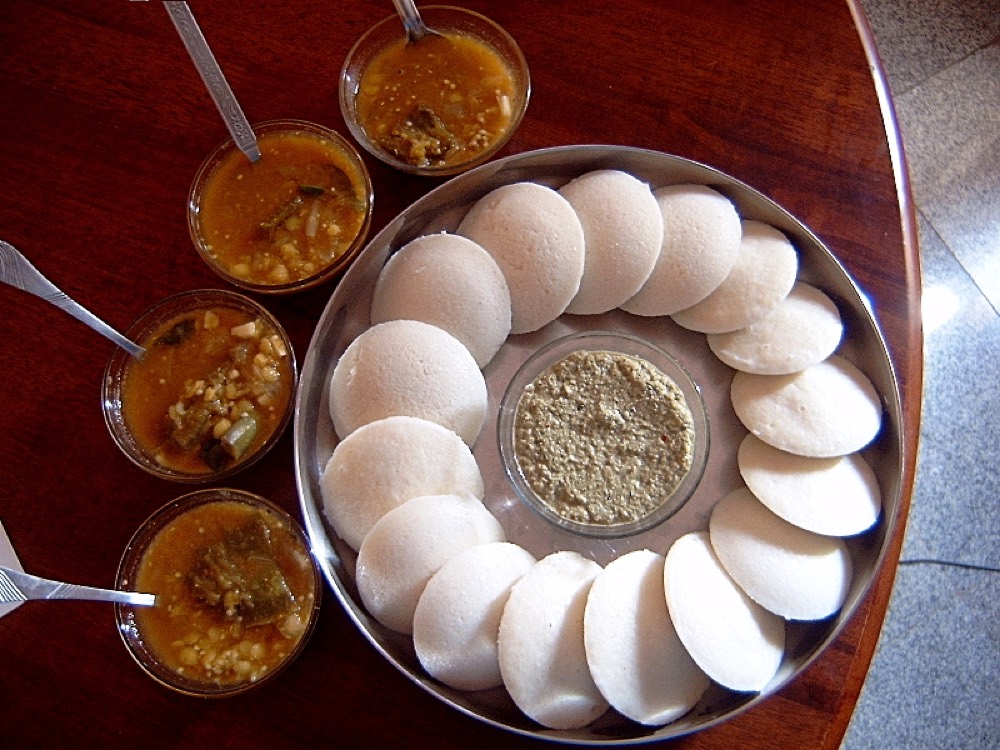
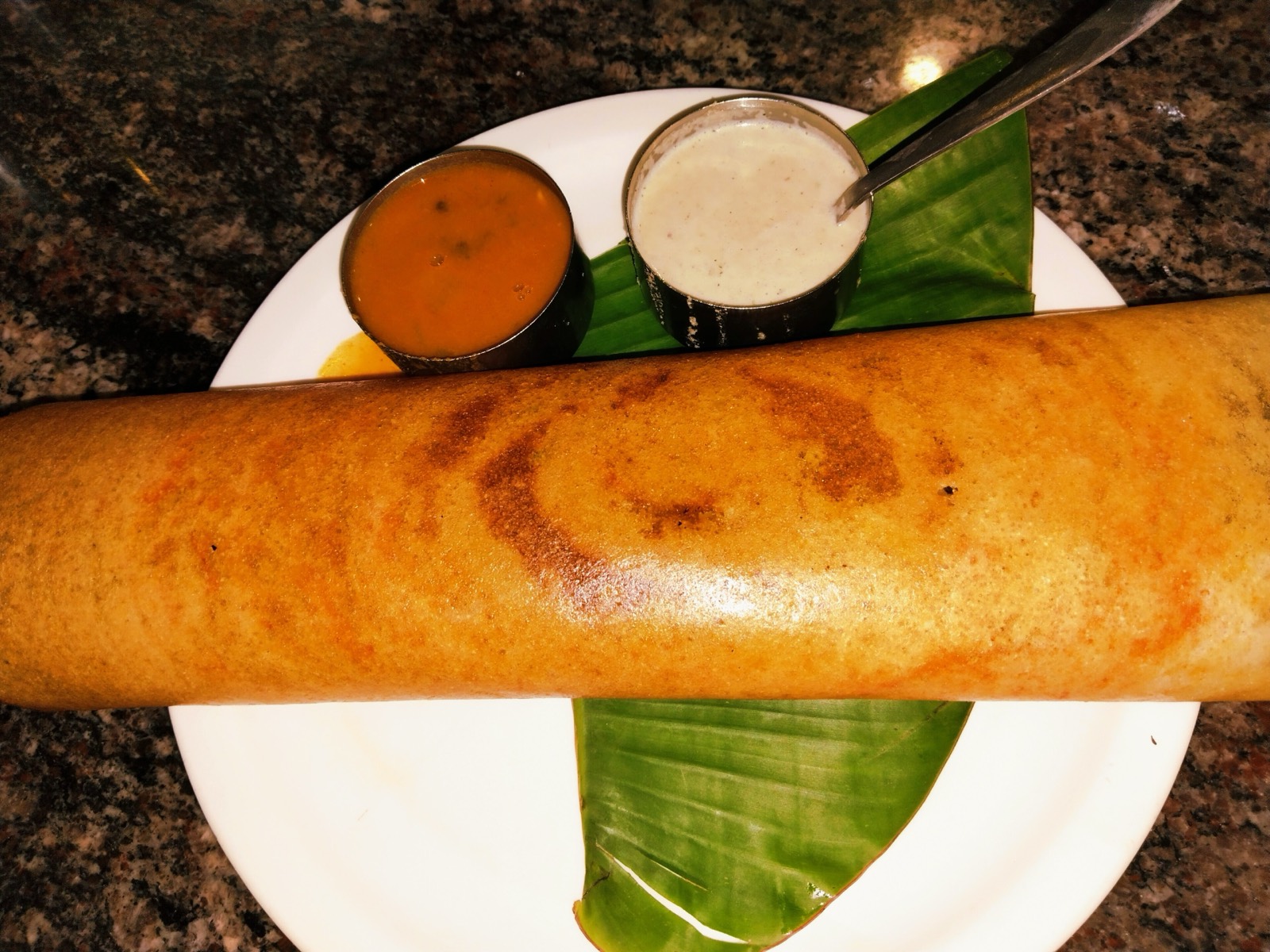
The dosa and idli, now the most globally recognized South Indian foods, rest on a genuinely old technique: soaking and grinding rice and urad dal (black gram), then letting the batter ferment overnight before cooking. Fermentation does double duty, developing flavor and making the batter's nutrients easier to digest. References to dosa-like foods appear in Tamil and Kannada literature reaching back over a thousand years, making it one of the older continuously-practiced cooking techniques on the subcontinent, well predating the arrival of chilies, tomatoes, or potatoes.
One of the most-quoted facts of Indian food history applies directly here: chili peppers are not native to India at all. They arrived via Portuguese trade routes after 1498, part of the broader "Columbian Exchange" that moved New World crops into Asia. Before that, heat in South Indian cooking came from black pepper (itself a native Kerala export that drove centuries of spice-trade interest from Rome to Europe) and from ginger. Chilies were adopted quickly and enthusiastically, and nowhere more than Andhra Pradesh, whose cuisine is now defined by a level of heat that postdates the Mughal Empire itself.
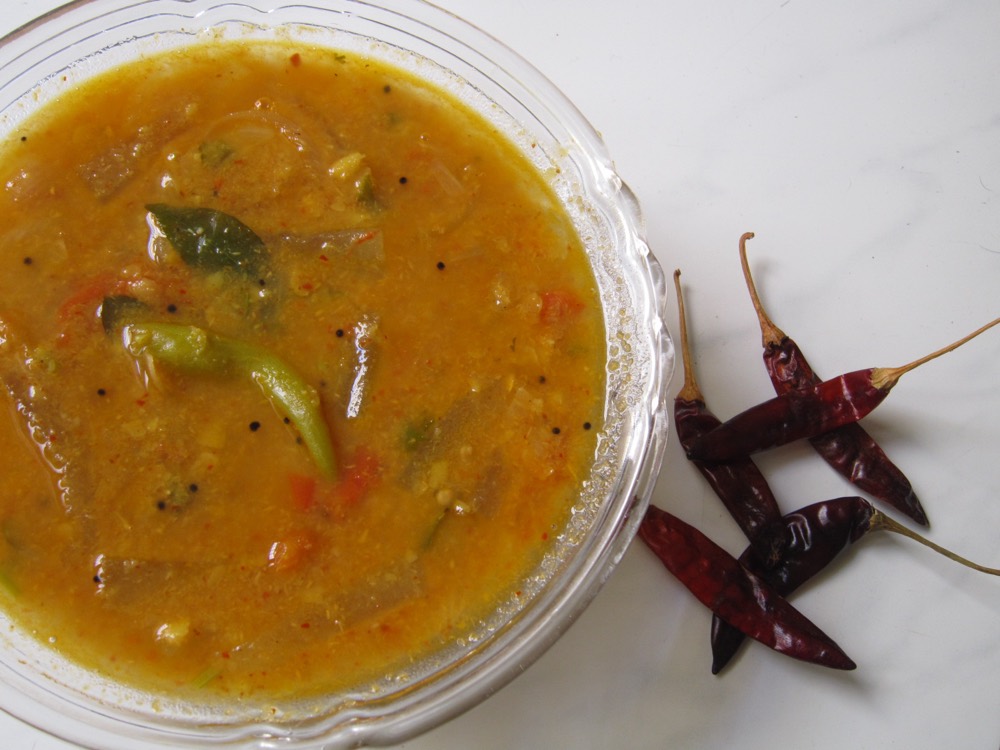
The South Indian thali (or "meals," as it's often called in Tamil Nadu and Karnataka) isn't a random assortment. It's a structured system, typically served on a banana leaf, with rice as the anchor and a sequence of sambar, rasam, kootu, and chutneys designed to be eaten in a particular order, often finishing with yogurt rice to cool the palate. Filter coffee, brewed with a metal filter and served with frothed milk, became a South Indian institution in the 19th and 20th centuries and remains as culturally central as the dosa itself.