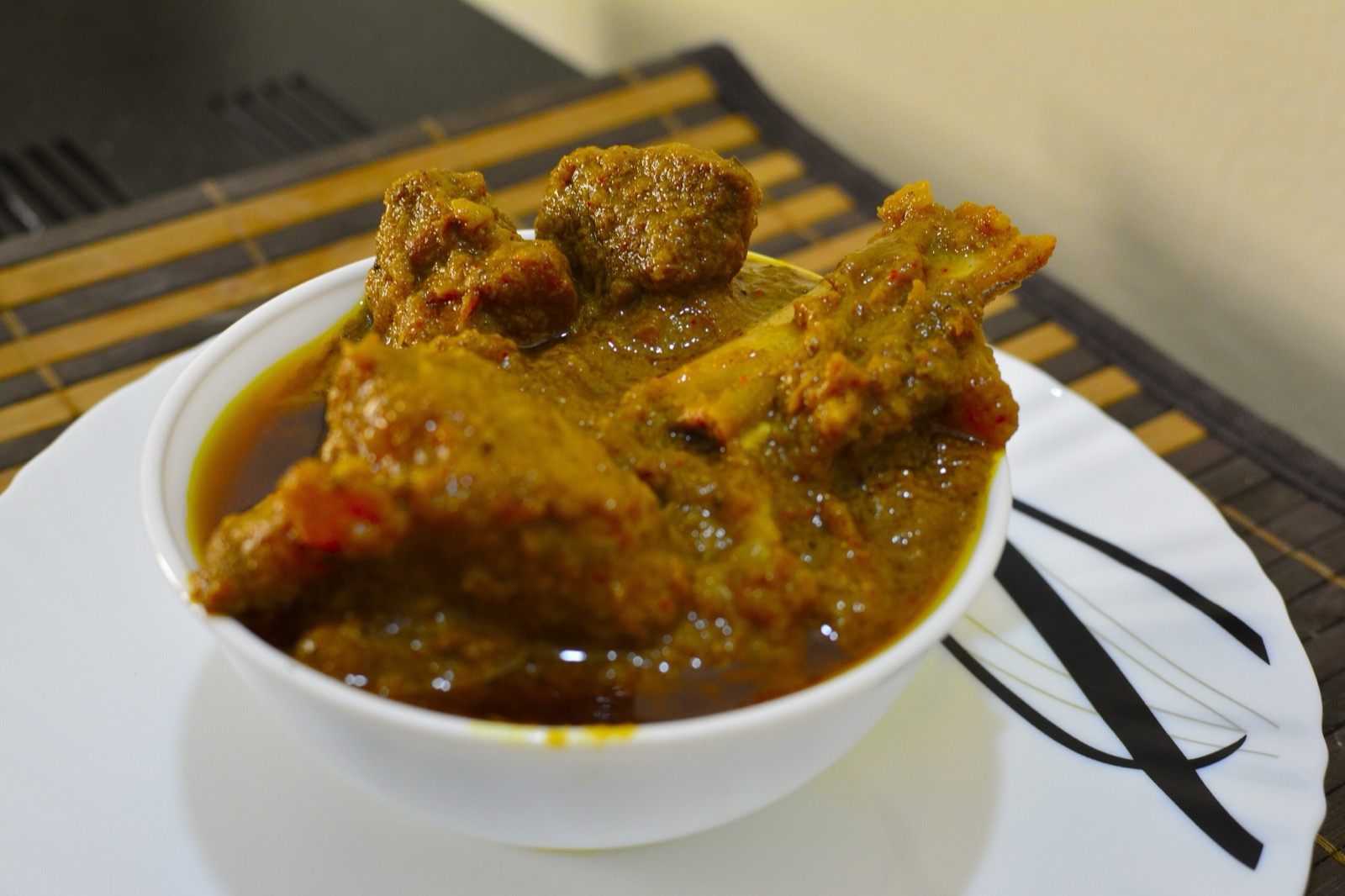
East India
Bengali Cuisine
A rice and fish delta cuisine with a sweet tooth precise enough to be its own art form.
A rice and fish delta cuisine with a sweet tooth precise enough to be its own art form.
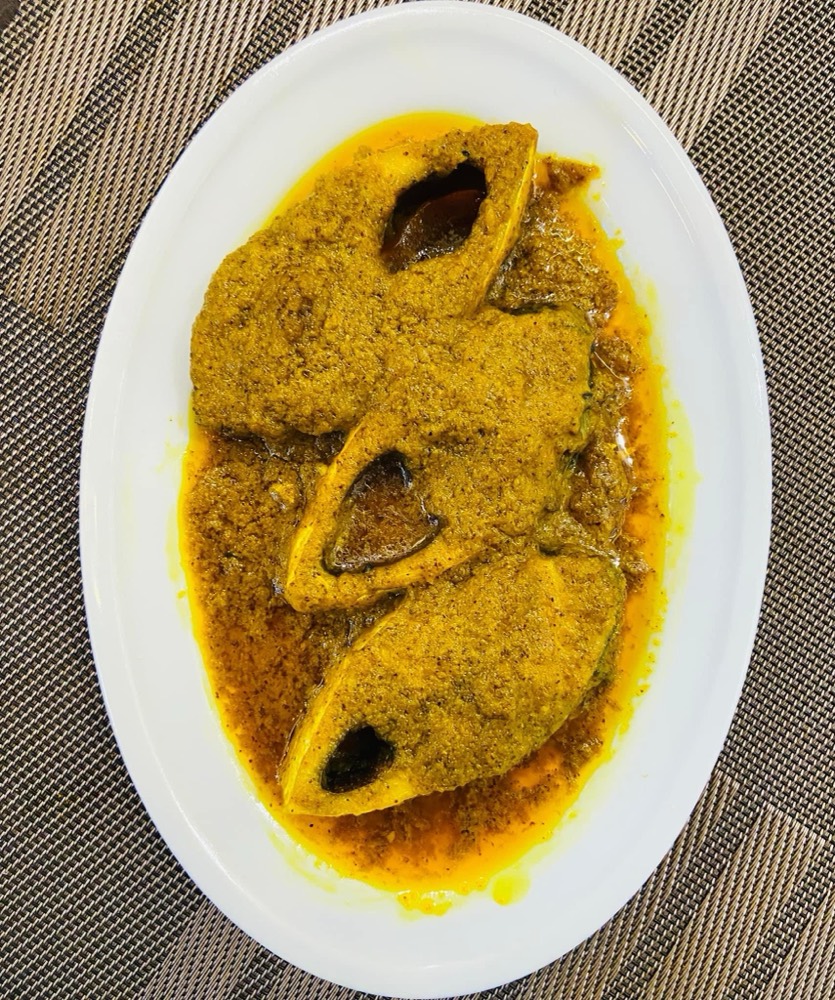
Bengal sits on the Ganges-Brahmaputra delta, silt-fed and flooded for months of the year, and its food reflects that directly. Rice is the staple, and freshwater and river fish (hilsa/ilish above all) are the main protein. Mustard grows across Bengal's fields and supplies both the seeds for pungent mustard-paste sauces and the oil that Bengali cooking is built on. That oil defines the cuisine as much as any spice does, and it goes into the fish, the vegetables and the dal alike.
A traditional Bengali meal arrives in courses, and the order is fixed. It starts with something bitter (shukto, a mixed-vegetable dish) to wake up the palate, then rice and dal, then a vegetable dish, then fish or meat curry, then chutney, and finally something sweet. That's closer to a French tasting menu than to the single-plate thali found across most of the rest of India. The rice and dal do not share the plate with the fish curry; they precede it.
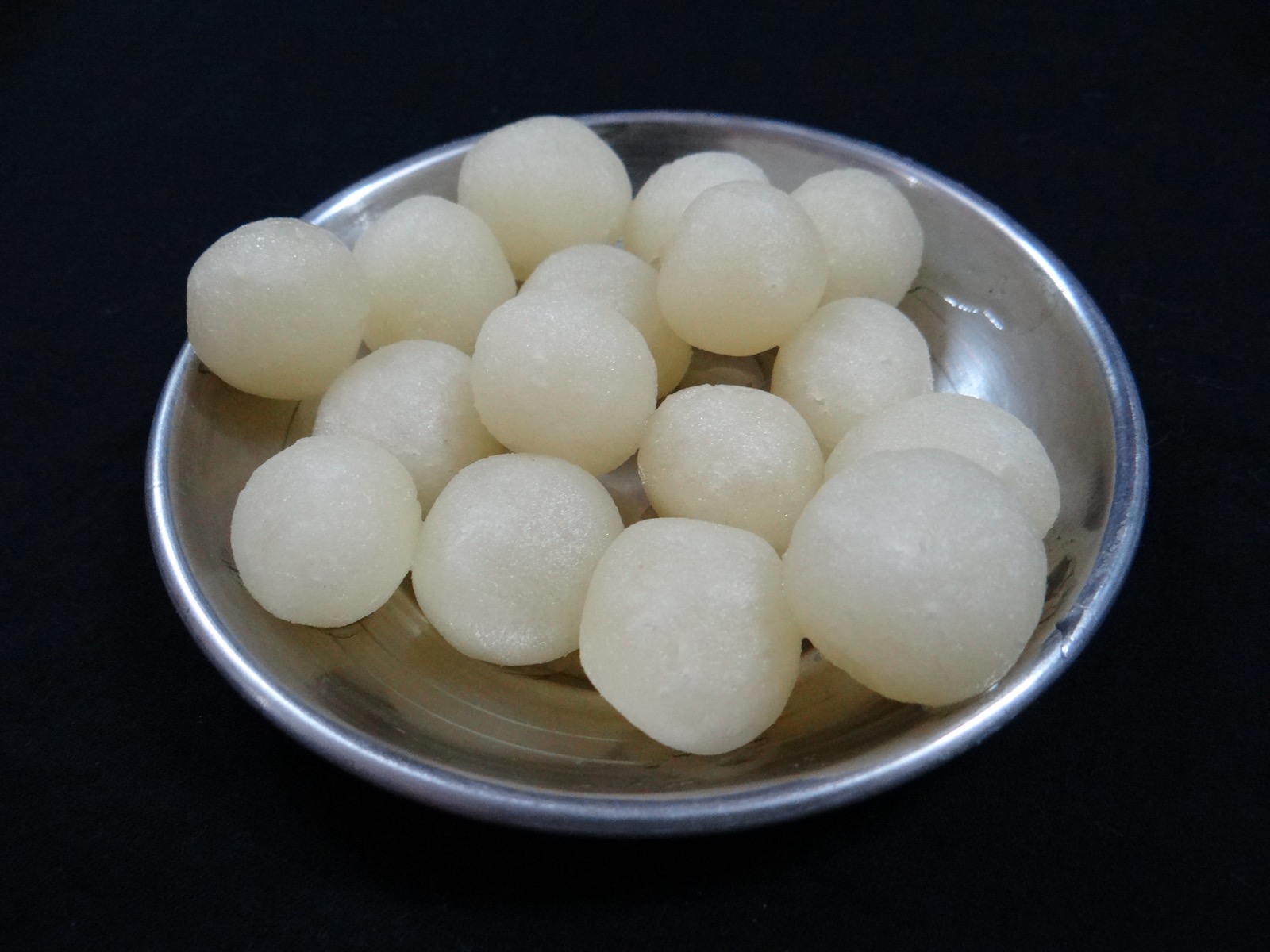
Bengali sweets stand apart because of one technique. Cooks curdle milk into chhena (fresh cheese) and shape it into desserts. Most of the rest of the country builds its sweets from reduced milk (khoya) or from dough. The most famous result, rosogolla (spongy chhena balls in sugar syrup), is credited to Kolkata confectioner Nobin Chandra Das around 18681. Some food historians trace the cheese-curdling method back further, to Portuguese traders and missionaries who brought cheese-making to Bengal centuries earlier. That makes rosogolla a 19th-century Bengali invention built on a much older imported technique. Sandesh, a firmer chhena sweet often flavored with jaggery, developed alongside it as the other pillar of Bengali confectionery.
As the capital of British India until 19112, Calcutta had more direct contact with European cooking than most Indian cities of its time. Anglo-Indian dishes, Western-style cutlets and chops, and a citywide restaurant and confectionery culture all grew out of this period. They layered onto the older rice-fish-mustard base of home cooking.
 Aam Doi
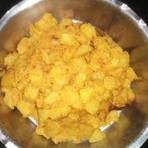 Aloo Posto
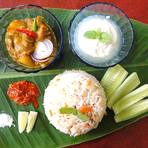 Basanti Pulao
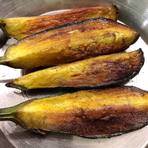 Begun Bhaja
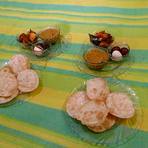 Bengali Alur Dom
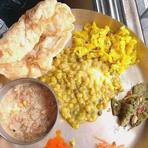 Bengali Ghugni
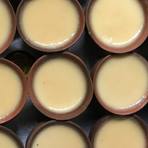 Bhapa Doi
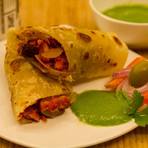 Chicken Kathi Roll
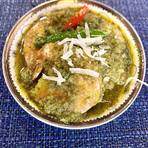 Chingri Bhapa
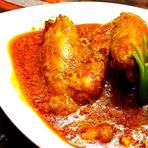 Chingri Malai Curry
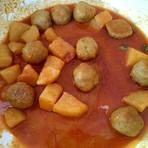 Chitol Macher Muitha
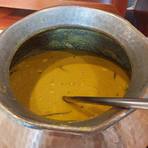 Cholar Dal
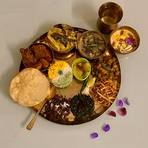 Dhokar Dalna
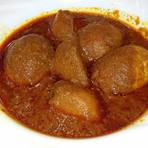 Dimer Dalna
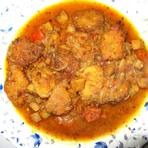 Doi Maach
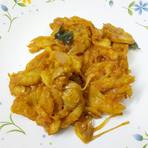 Echorer Dalna
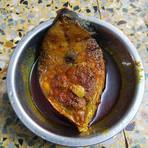 Ilish Bhapa
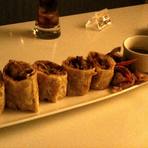 Kathi Roll
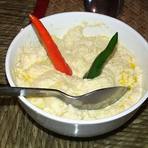 Kochu Bata
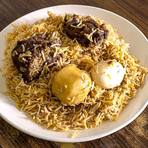 Kolkata Biryani
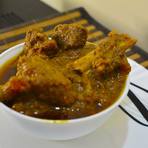 Kosha Mangsho
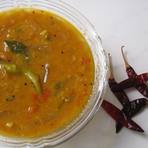 Kumror Chokka
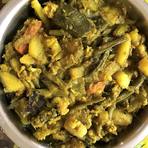 Labra
Labra
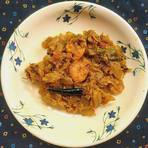 Lau Ghonto
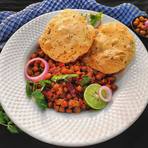 Luchi
Luchi
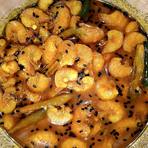 Macher Jhol
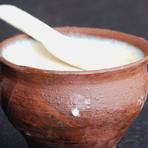 Mishti Doi
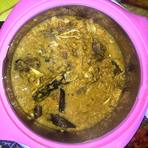 Muri Ghonto
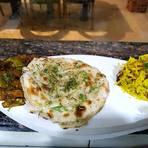 Panch Mishali Chorchori
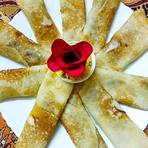 Patishapta
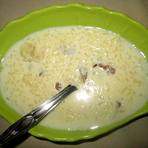 Payesh
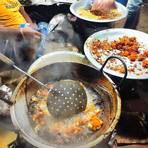 Peyaji
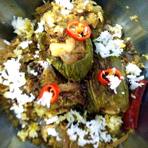 Potoler Dorma
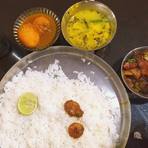 Radhaballavi
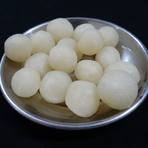 Rasgulla
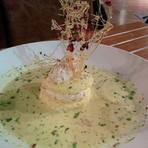 Rasmalai
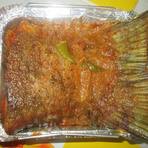 Rui Macher Kalia
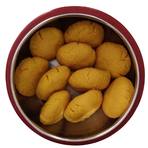 Sandesh
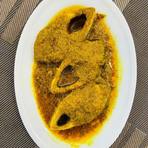 Shorshe Ilish
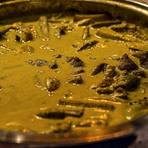 Shukto
Not cooking tonight?
Tell us what is in your kitchen, and Khaana will help you cook an authentic Indian meal.