South India
Andhra Cuisine
The hottest and the sourest kitchen in India, built on chilli from Guntur, tamarind, gongura leaf and a mountain of rice.
The hottest and the sourest kitchen in India, built on chilli from Guntur, tamarind, gongura leaf and a mountain of rice.
Chilli reached India with Portuguese traders in the sixteenth century1 and landed on a coast that was ready for it. The black soils around Guntur, in the Krishna delta, turned out to suit the crop better than almost anywhere else, and the district became the centre of an industry: Andhra Pradesh now grows the largest share of India's chilli, the Guntur market yard is among the biggest in Asia, and the Guntur Sannam variety carries a geographical indication tag. What began as an import became the single ingredient the cuisine is identified by.
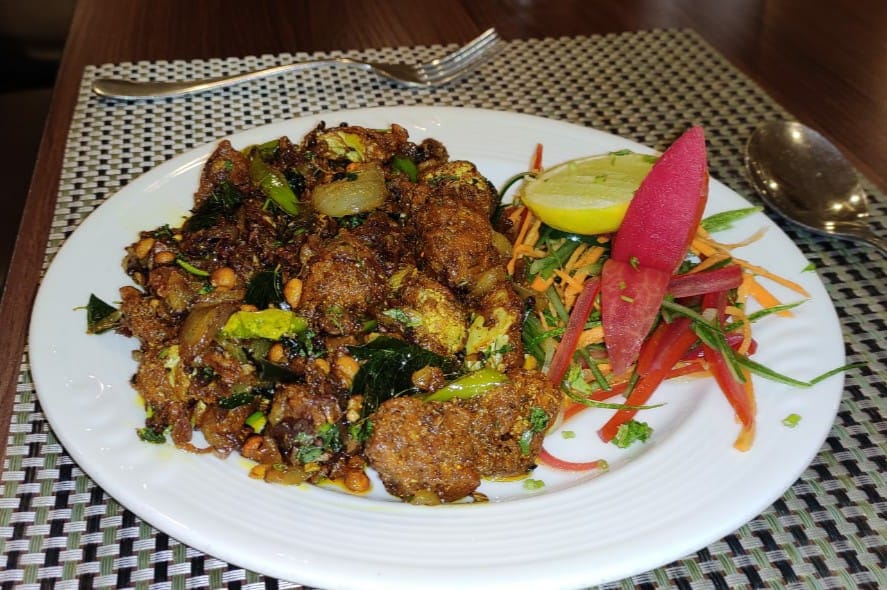
The heat is functional. Chilli goes in whole and dried into the tempering, ground wet into pastes for curries, and dry-roasted into powders eaten straight with rice, so a single meal delivers it three different ways. A Rayalaseema kodi kura can carry more chilli by weight than any other Indian home dish, and the region's cooks distinguish carefully between varieties chosen for colour, such as the deep-red byadgi grown to the west, and those chosen for pungency. Outsiders read this as machismo. In a hot, dry climate with limited refrigeration, chilli preserved food, drove appetite and made a plain plate of rice worth eating.
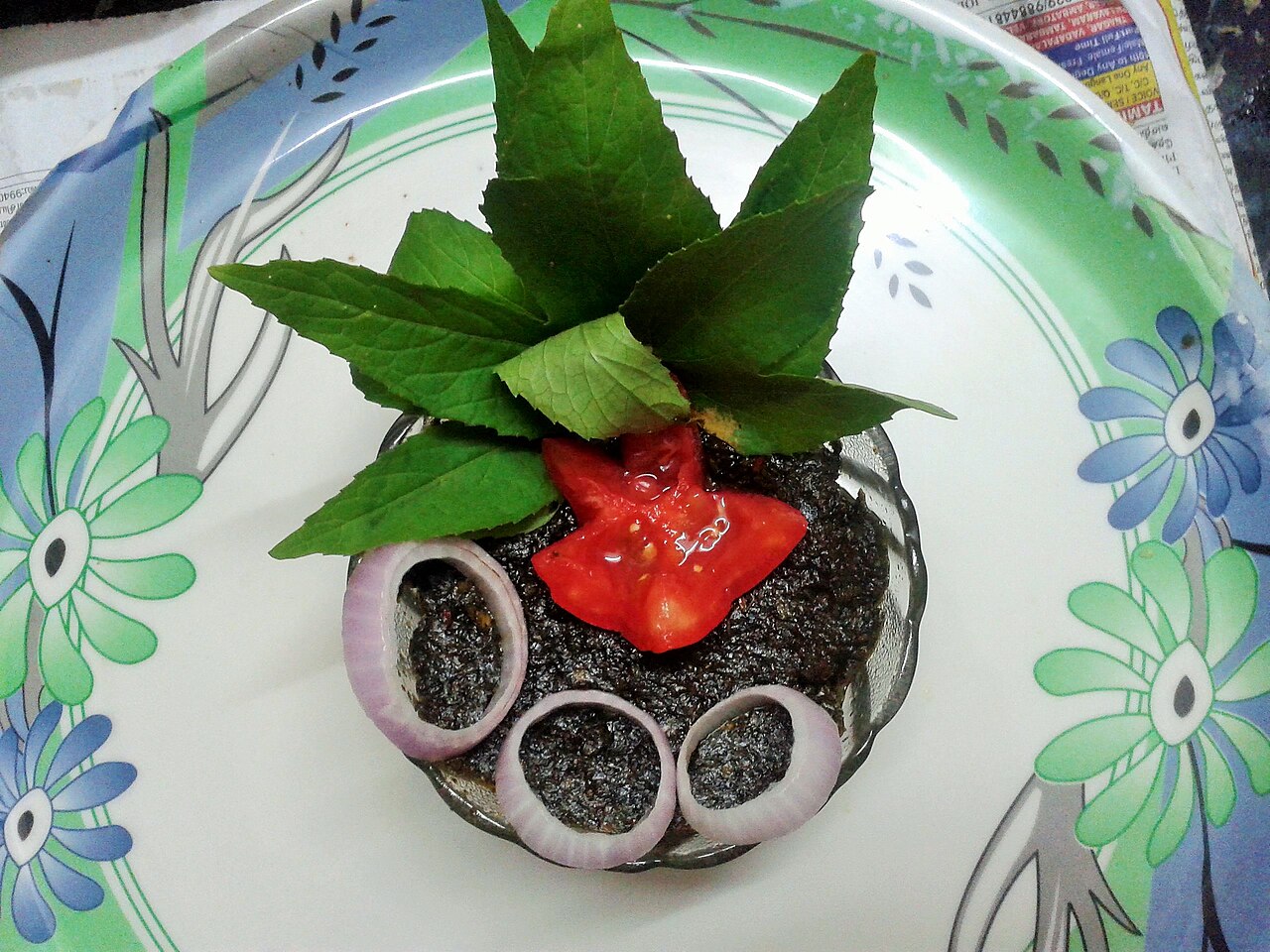
If chilli is the loud half of the palate, sourness is the half that actually organises the meal. Gongura, the leaf of the roselle plant, is the emblem: coarse, oxalic-sharp, thriving on dry land that will not support much else. Cooked down with green and red chillies, garlic and a mustard-seed tempering, it becomes gongura pachadi, a thick chutney that keeps for days and is eaten in spoonfuls with rice and ghee. It is also cooked into mutton and prawns, where the acid cuts fat the way vinegar does in a European braise.
Around it sit the other sours. Tamarind is used with a heavier hand here than anywhere except the Tamil country, giving pulusu, the stews of fish, brinjal or drumstick that anchor a coastal lunch. Ulavacharu, the dark broth left after horse gram is boiled long and slow, is reduced to a sour, smoky, almost meaty liquid and poured over rice. Raw mango becomes avakaya, the mustard-and-chilli pickle put down in earthen jars each summer and rationed through the year. Curd closes the meal and cools it. Sour, salt and heat, in that order, are the Andhra signature.
The everyday meal on the coast is rice in quantity, served in courses off one plate. It opens with mudda pappu, plain toor dal mashed with nothing more than salt, eaten with ghee and a smear of pickle. Then comes a pappu cooked with a vegetable or a sour fruit, tomato, sorrel or the pale dosakaya cucumber; then a dry koora; then pulusu; then charu, the thin peppery broth that is the Andhra rasam; and finally curd rice. The sequence moves from rich to light, and it follows a fixed grammar.
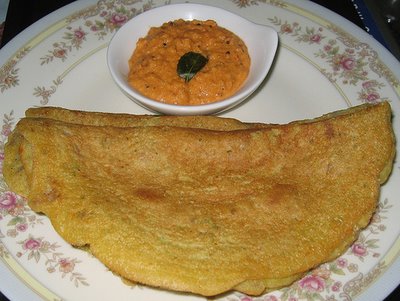
Between those courses sit the podis, dry powders of roasted lentils, sesame, coconut or curry leaf blitzed with chilli and garlic. Kandi podi, made from toor dal, is the common one; there are versions built on peanuts, on gunpowder-hot dried chilli, on dried shrimp along the coast. Mixed into hot rice with ghee, a podi is a complete course requiring no cooking at all, which is exactly why it exists: it travels, it keeps without refrigeration, and it turns leftover rice into a meal. The same instinct produces the state's tiffin repertoire, pesarattu ground from whole green gram rather than the usual rice-and-urad batter, punugulu fried from leftover idli batter, upma folded inside the crepe in the Godavari districts.
Andhra food divides three ways. Coastal Andhra, watered by the Krishna and Godavari deltas, is the rice belt and the richest of the three: prawns, freshwater and sea fish, coconut, and a slightly gentler hand with chilli. Rayalaseema, the dry interior around Kurnool, Kadapa and Anantapur, is drought country, and its cooking is leaner, hotter and more meat-forward, with natu kodi, the tough country chicken, and ragi sangati, balls of finger millet and rice eaten with a fiery gravy. Telangana, on the Deccan plateau and a separate state since 20142, has its own kitchen again: jonna rotte and sajja rotte of jowar and bajra, sarva pindi, sakinalu at festival time, and a heavy use of tamarind and sesame.
That inland belt was millet country long before it was rice country. Jowar, bajra and ragi suited thin soils and an unreliable monsoon, and rice only displaced them across much of the region after the big irrigation projects of the twentieth century filled the canals. The older grains never entirely left, and they are returning now on health and drought-resilience arguments. One kitchen inside this territory belongs to none of the three: the food of Hyderabad, shaped by the Qutb Shahi and Asaf Jahi courts and by Persian and Mughal influence, is a Deccan court cuisine with its own history, and we treat it separately on the Hyderabadi page.
 Andhra Kodi Kura
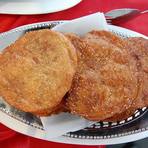 Ariselu
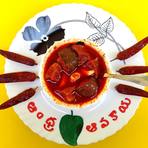 Avakaya
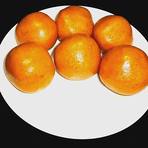 Bandar Laddu
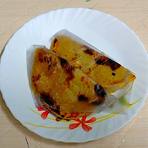 Bobbatlu
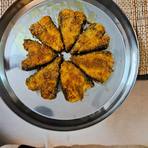 Chepa Vepudu
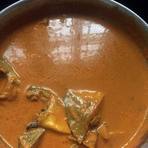 Chepala Pulusu
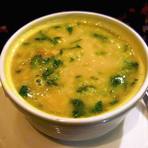 Dosakaya Pappu
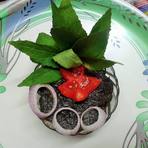 Gongura Pachadi
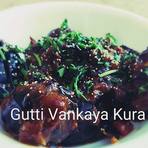 Gutti Vankaya Kura
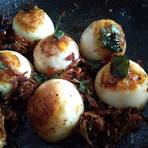 Kodi Vepudu
 Menthi Kura Pappu
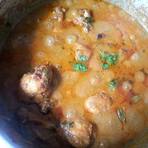 Natu Kodi Pulusu
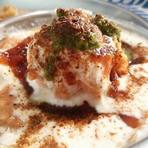 Perugu Vada
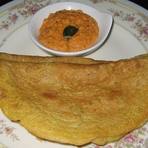 Pesarattu
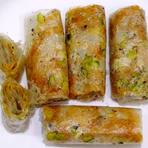 Pootharekulu
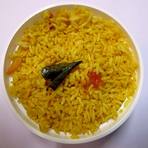 Pulihora
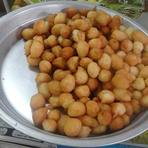 Punugulu
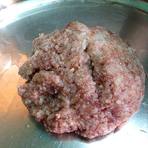 Ragi Sangati
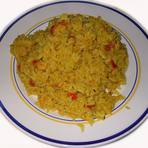 Royyala Iguru
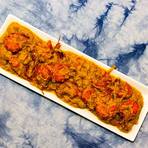 Royyala Vepudu
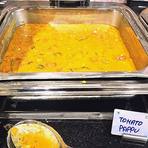 Tomato Pappu
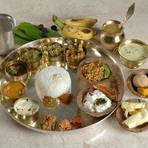 Ulavacharu
Not cooking tonight?
Tell us what is in your kitchen, and Khaana will help you cook an authentic Indian meal.