A community, not a region
Anglo-Indian Cuisine
The one Indian cuisine with no territory behind it: a kitchen carried by people, built along the railway line, and cooked in Calcutta, Madras and the railway colonies between them.
The one Indian cuisine with no territory behind it: a kitchen carried by people, built along the railway line, and cooked in Calcutta, Madras and the railway colonies between them.
Anglo-Indians are a distinct community of mixed British and Indian descent, descended in the male line from European fathers and Indian mothers over some four centuries of Portuguese, Dutch and then British presence. They are a living Indian community with their own English-speaking households, schools, churches, associations and, very much, their own food. The Constitution names them directly. Article 366(2) defines who an Anglo-Indian is, Articles 331 and 333 provided for nominated seats in the Lok Sabha and in state assemblies, and Articles 336 and 337 dealt with their place in the public services and with grants to their schools. Frank Anthony led the All India Anglo-Indian Association for more than half a century and argued their case in Parliament through the whole of that period. The nominated seats lapsed in January 2020 under the 104th Amendment1; the community did not.
What the community has never had is a territory, and that is why Anglo-Indian food has no zone on Khaana's map. Every other cuisine on this site can be drawn as a shape. A river plain, a coastline, a plateau, a former court's hinterland. This one cannot. It is a community cuisine, defined by the people who cooked it, and it travelled wherever they were posted. The single attempt to give it ground was McCluskieganj, founded in 1933 in what is now Jharkhand by Ernest Timothy McCluskie2 as an Anglo-Indian homeland of a few hundred bungalows. It never held. The cuisine stayed portable instead, which turned out to suit it.
From the middle of the nineteenth century the railways, and alongside them the telegraph, the customs service and the post, recruited Anglo-Indians heavily as drivers, firemen, guards, telegraphists and workshop foremen. The effect was to gather a scattered community into a small number of dense, self-contained settlements. Jamalpur in Bihar, where the East Indian Railway opened its workshops in 1862, became the oldest and most storied of them. Kharagpur in Bengal grew around the Bengal Nagpur Railway workshops from 1900 and had, at its height, one of the largest Anglo-Indian populations anywhere. Perambur in Madras did the same in the south. Each had its railway institute, its dance floor, its band, its bakery and its own way of doing Christmas.
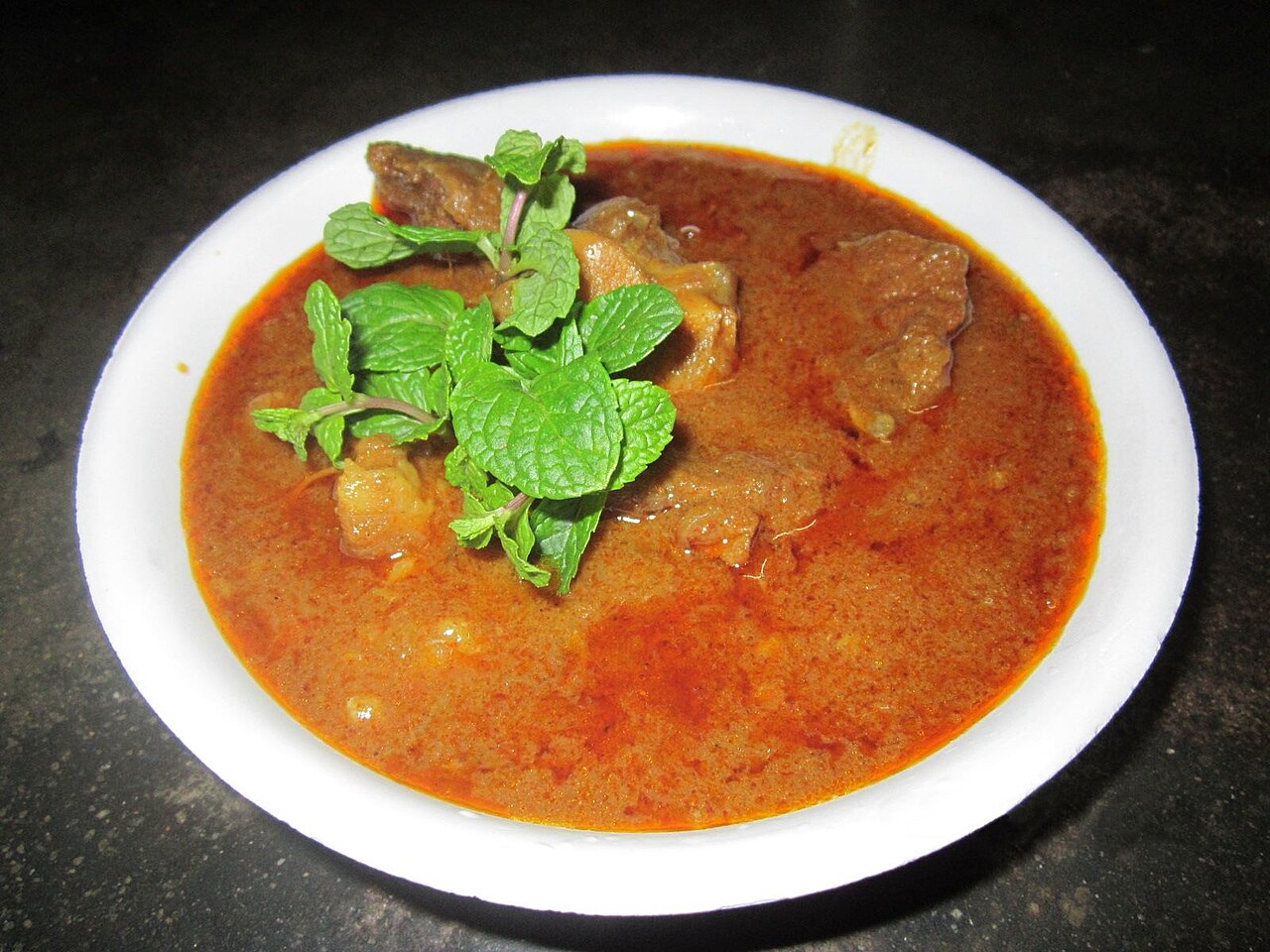
The food came out of that arrangement directly. Railway quarters had European-style kitchens with ovens and roasting tins, ration books that ran to beef, bread, tinned goods and vinegar, and cooks working an Indian spice box inside a British method. Men worked shifts and ate on the line, so dishes were built to sit and to reheat, and the pantry favoured what kept: pepper, vinegar, Worcestershire sauce, tinned milk and coconut milk. Railway mutton curry is the clearest example. A mild, tamarind-sharpened, coconut-loosened curry developed for dining cars and for passengers who wanted spice within limits, cooked down far enough that a day's travel would not spoil it.
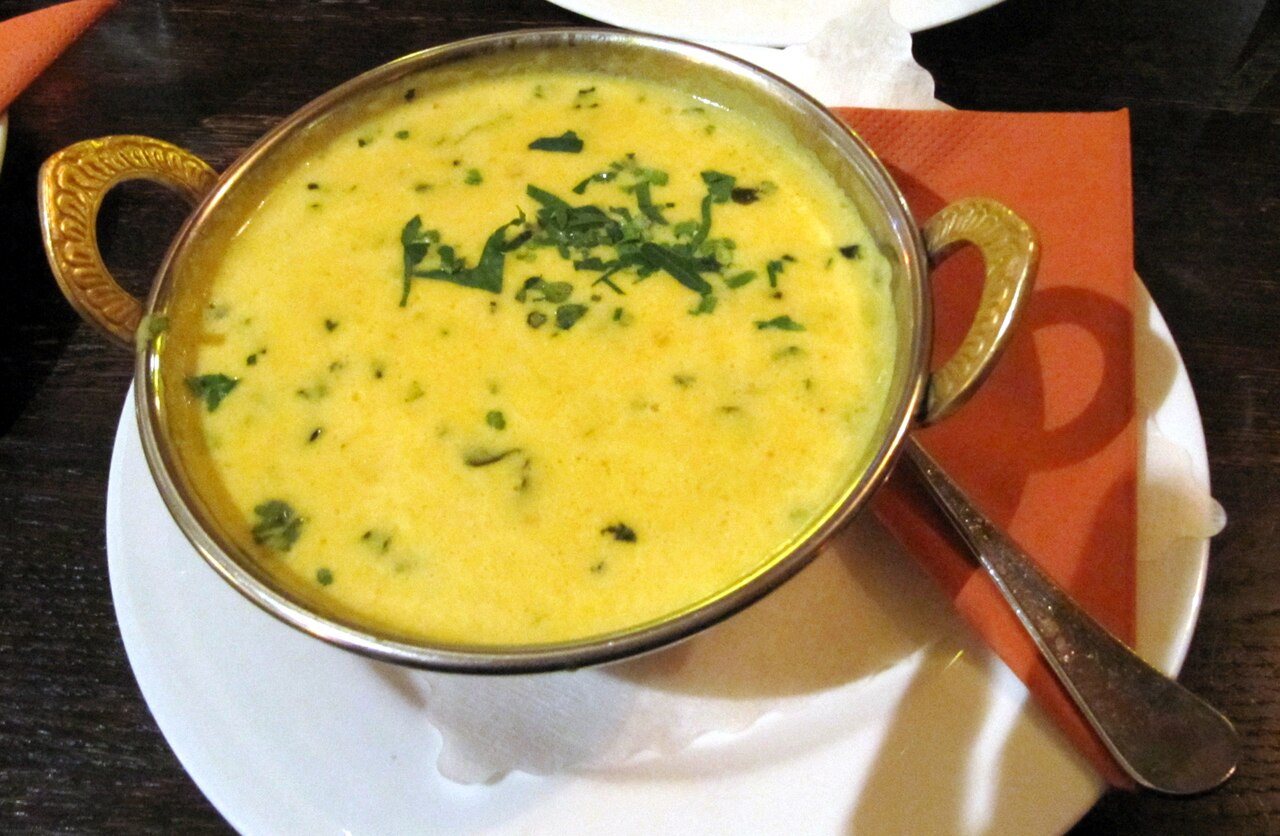
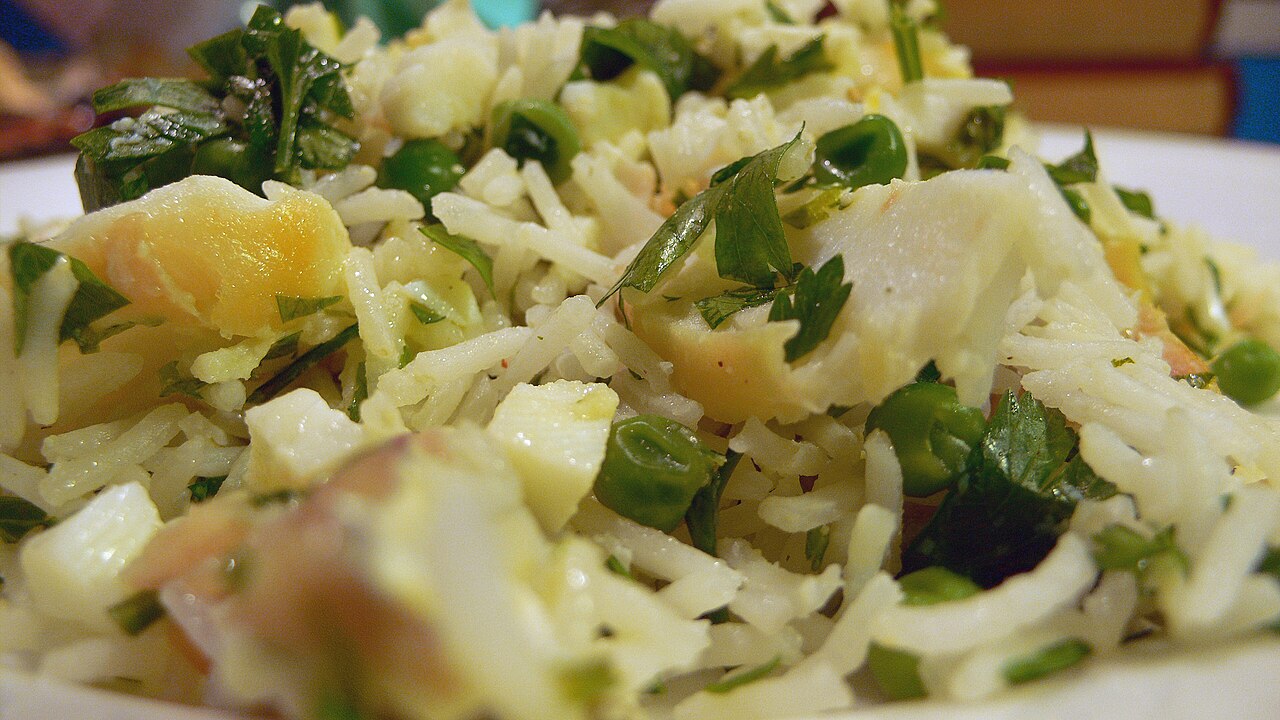
Anglo-Indian dishes tend to carry two histories in one name. Mulligatawny is the Tamil milagu thanni, pepper water, a thin peppery tamarind broth of the kind still drunk over plain rice in Tamil households; the British heard a soup where there had been a rasam, and the dish was rebuilt with toor dal, shredded chicken, a spoon of rice and sometimes cream, to be served in a bowl at the start of a meal. Kedgeree ran the other way. It began as khichdi, rice and lentils, and returned to Britain as a breakfast of rice, flaked smoked fish and chopped boiled egg. An Indian dish that emigrated and stayed emigrated. Country captain is chicken dry-fried into browned onion and whole red chillies with almost no gravy, its name most likely from the country captains, the skippers of country-built ships trading out of the Indian ports.
Then there is the Sunday food. Ball curry is beef or mutton meatballs poached in a thin red coconut gravy, eaten with yellow coconut rice (turmeric-gold, steamed in coconut milk with whole spice) and it is the dish Anglo-Indians of Calcutta name first when asked what home tastes like. Cutlets and croquettes are the other signature: spiced mince flattened into patties or rolled into fingers, crumbed and shallow-fried until the coating shatters, the technique wholly European and the seasoning wholly Indian. Devilled dishes, pepper-water, jhal frezi built from cold roast meat, pish pash, and the vinegary chutneys and pickles that came from the same pantry fill out a table that is a third thing in its own right, made by people who belonged to both cuisines.
Two cities anchored the cuisine, and they cooked differently. Calcutta (Bow Barracks, Ripon Street, Elliot Road, and behind them the Kharagpur and Jamalpur lines) is the beef-eating, ball-curry, Christmas-baking centre, with a bakery culture of its own and a strong overlap with the city's Armenian and Portuguese-descended families. Madras, centred on Perambur and Vepery, sits closer to its Tamil ground: more pepper water, more coconut, more rice, mulligatawny that has not travelled as far from milagu thanni. Bangalore, Secunderabad, Nagpur and Mhow each held smaller versions of the same pattern around their cantonments and workshops.
Christmas is when the whole repertoire comes out at once. The sweet tray is the fixed part of it: kalkals, little ridged curls of coconut-milk dough rolled off the back of a fork, deep-fried crisp and frosted in sugar syrup; rose cookies, made by heating a rosette iron in oil, dipping it in a spiced coconut-milk batter and shaking the lacy flower loose; guava cheese, dodol, milk toffee and marzipan fruit alongside them. Making kalkals is a family job done days ahead, with everyone at the table rolling. Since 1947 large numbers of Anglo-Indians have left for Britain, Australia, Canada and New Zealand, and the Christmas tray went with them. It is made in Perth and Toronto now as well as in Bow Barracks, and it is still recognisably the same table.
 Ball Curry
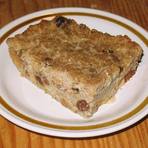 Bread Pudding
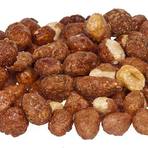 Coconut Toffee
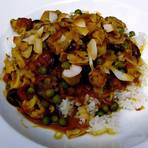 Country Captain Chicken
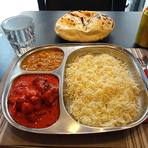 Dak Bungalow Curry
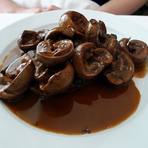 Devilled Kidneys
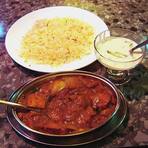 Jalfrezi
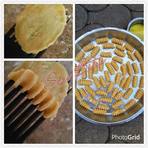 Kalkals
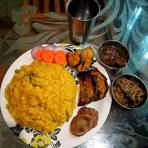 Kedgeree
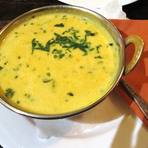 Mulligatawny Soup
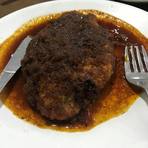 Mutton Cutlets
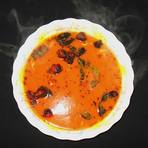 Pepper Water
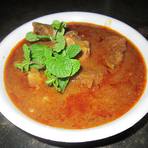 Railway Mutton Curry
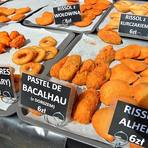 Rissoles
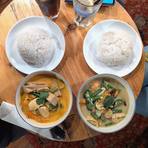 Yellow Coconut Rice
Not cooking tonight?
Tell us what is in your kitchen, and Khaana will help you cook an authentic Indian meal.