West India
Maharashtrian Cuisine
A coastal tradition and a plateau tradition, sharing one state, plus the street food that fed Mumbai's mill workers.
A coastal tradition and a plateau tradition, sharing one state, plus the street food that fed Mumbai's mill workers.
Maharashtra's cuisine splits into two distinct traditions along geographic lines. Along the Konkan coast, the food looks a lot like its coastal neighbors Goa and Kerala: rice, coconut, and seafood, cooked with kokum (a tart dried fruit) for sourness. Inland, on the drier Deccan plateau, the cuisine runs on millets (jowar and bajra), peanuts and sesame, and famously dry, intensely spiced curries. Kolhapuri cuisine, from the southern Deccan, has a reputation as one of the spiciest regional styles in India.
Maharashtra's political identity is inseparable from the Maratha Empire, built under Chhatrapati Shivaji in the 17th century1 and expanding into one of the dominant powers in India by the 18th. Foods tied to military campaigns had to be practical, portable, and high in energy. Dry chutneys, spice mixes like goda masala and kanda-lasun masala, and preserved pickles all fit that need. They stayed in everyday cooking long after the campaigns ended.
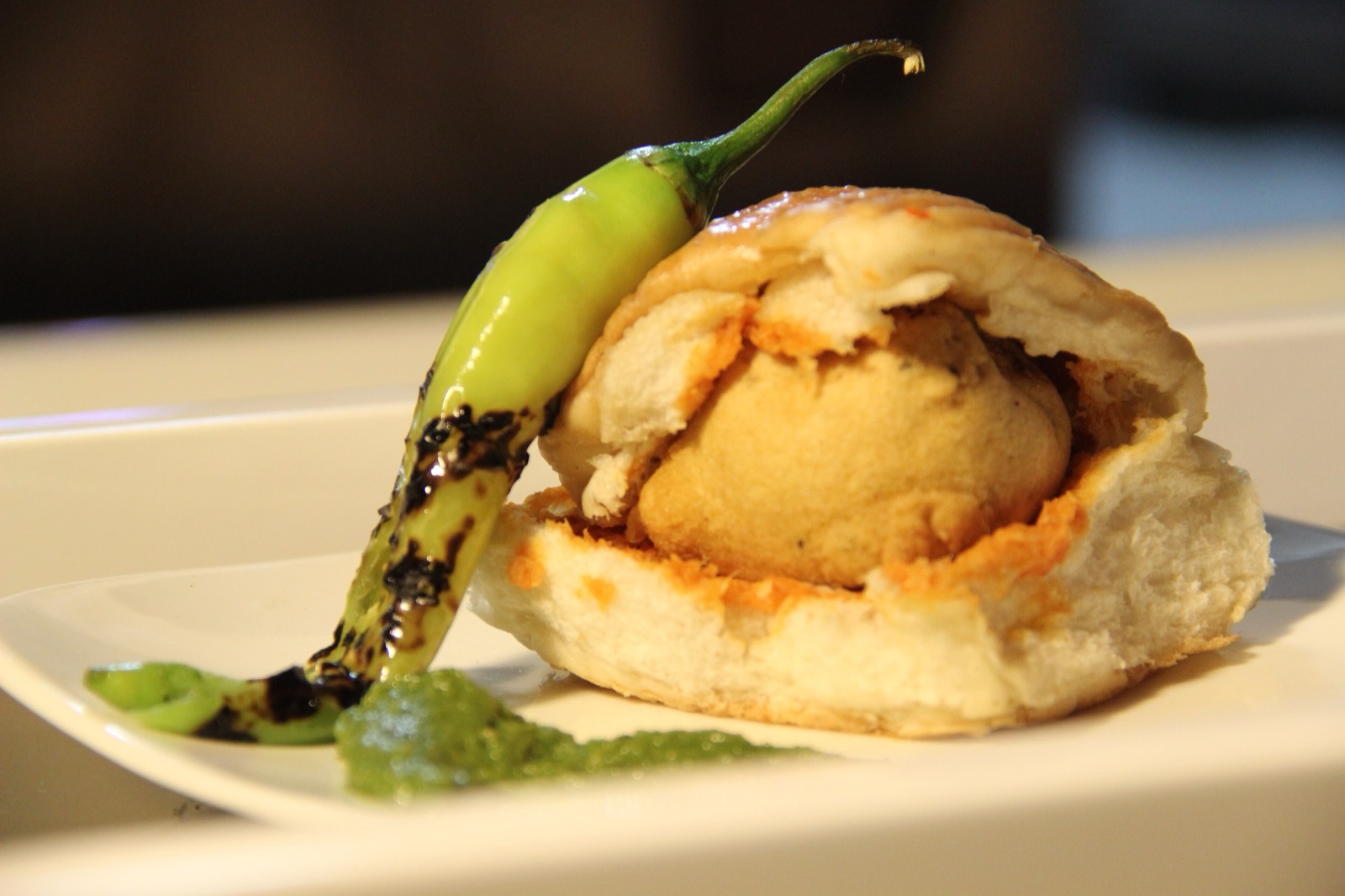
This region's most-told food story comes with a date attached. Vada pav, a spiced potato fritter in a bread roll, is credited to a street vendor named Ashok Vaidya2, who began selling it near Dadar railway station in 1966. It was explicitly designed as a cheap, fast, filling meal for Mumbai's textile mill workers, at a time when Western-style sandwiches were priced out of reach for that same crowd. Indian food history rarely offers a dish with a named inventor, a named street corner, and a year attached to it. Vada pav went on to become Mumbai's defining street food.
 Alu Vadi
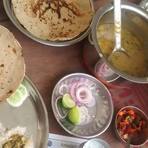 Amti
Amti
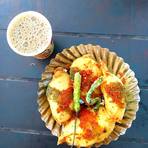 Batata Bhaji
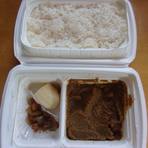 Bharli Vangi
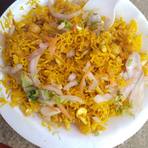 Bhel Puri
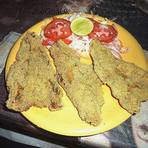 Bombil Fry
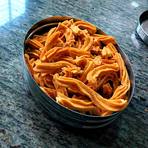 Chakli
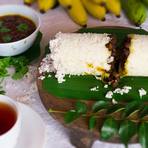 Dadpe Pohe
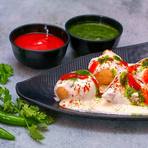 Dahi Puri
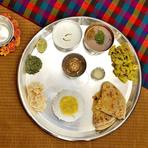 Hirvi Mirchi Cha Thecha
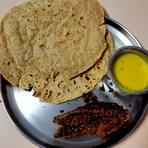 Jowar Bhakri
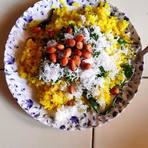 Kanda Poha
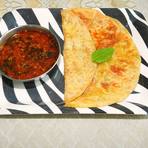 Katachi Amti
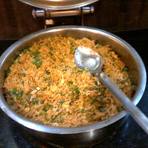 Kolambi Bhaat
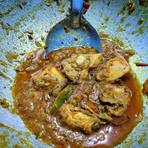 Kolhapuri Chicken Rassa
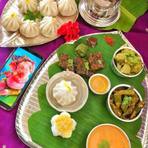 Kothimbir Vadi
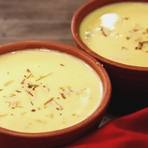 Maharashtrian Basundi
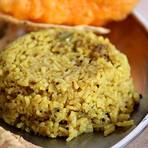 Masale Bhat
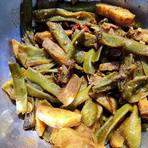 Matki Usal
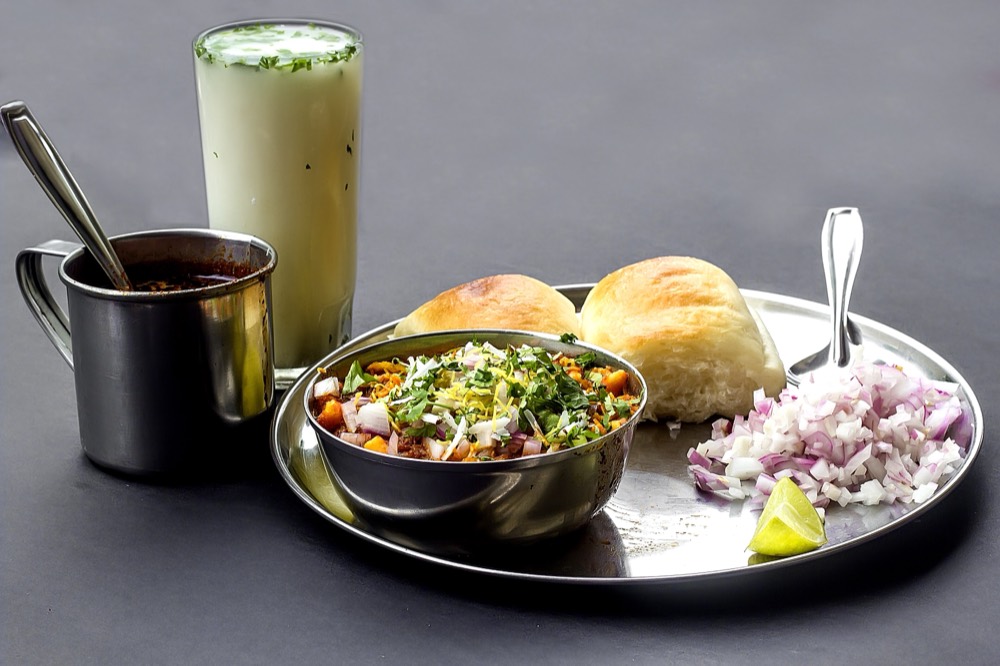
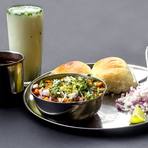 Misal Pav
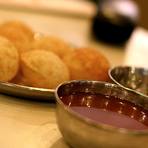 Pani Puri / Golgappa
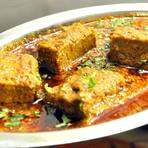 Patodi Rassa
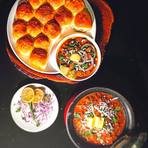 Pav Bhaji
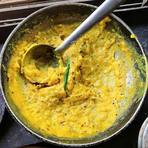 Pithla
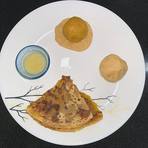 Puran Poli
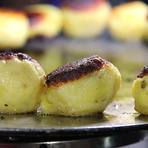 Ragda Pattice
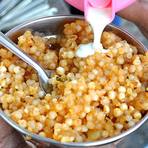 Sabudana Khichdi
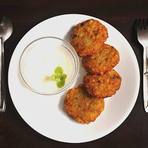 Sabudana Vada
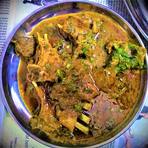 Saoji Mutton
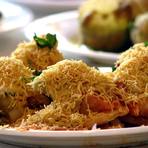 Sev Puri
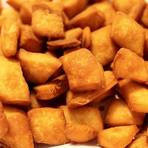 Shankarpali
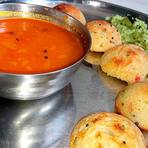 Sol Kadhi
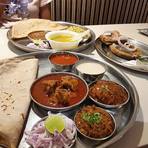 Tambda Rassa
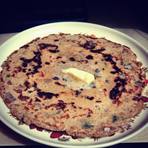 Thalipeeth
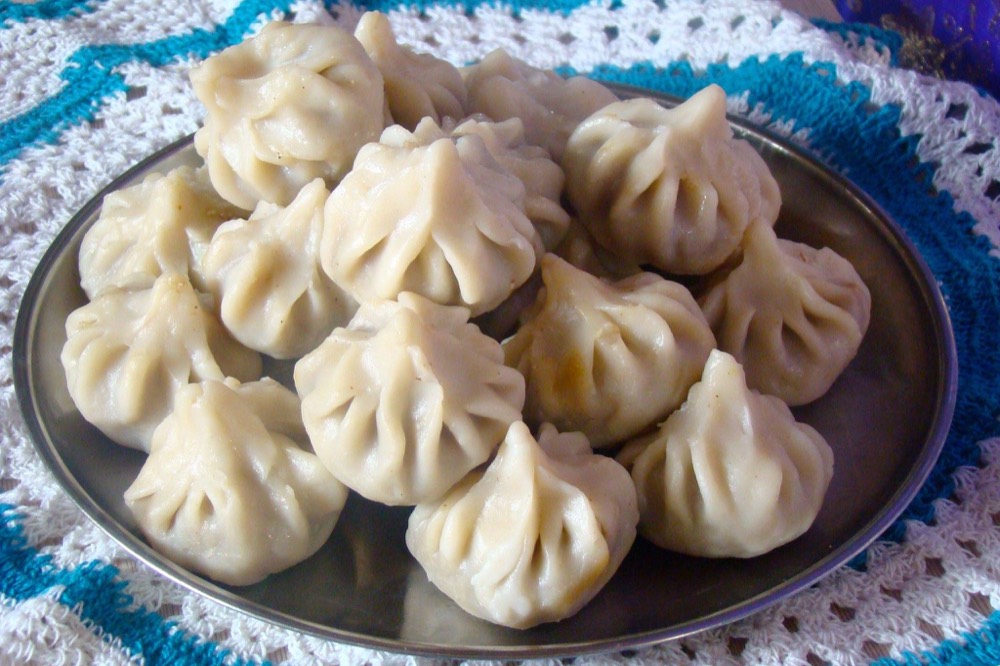
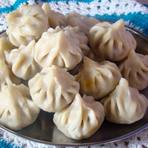 Ukadiche Modak
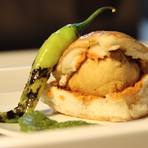 Vada Pav
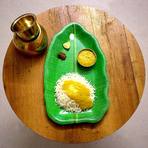 Varan Bhaat
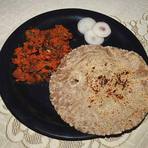 Zunka
Zunka
Not cooking tonight?
Tell us what is in your kitchen, and Khaana will help you cook an authentic Indian meal.