The Deccan
Hyderabadi Cuisine
Persian court technique over a southern larder. Four centuries of it: sealed-pot biryani, sour peanut gravies, and a wheat porridge that came in with a Yemeni garrison.
Persian court technique over a southern larder. Four centuries of it: sealed-pot biryani, sour peanut gravies, and a wheat porridge that came in with a Yemeni garrison.
Hyderabadi cooking was assembled by two dynasties across four centuries, on a plateau that already knew what it liked. The Qutb Shahis ruled Golconda from 1518, founded the city of Hyderabad in 15911, and kept a Persianate court that imported its cooks, its poets and much of its vocabulary from Iran. Aurangzeb ended them in 1687 after an eight-month siege2. When Mughal authority in its turn began to fail, the emperor's viceroy in the Deccan declared himself independent in 17243, and the Asaf Jahi Nizams held Hyderabad until 1948.
Both courts spoke a Persianised idiom, and both sat on top of Telugu and Marathwada kitchens that had been cooking with tamarind, chilli, sesame and curry leaf for far longer than either dynasty had existed. What gets called Hyderabadi fusion is largely that meeting: a Persian-Mughal set of techniques applied to a thoroughly southern larder.
The quickest way to tell Hyderabadi food from the Mughlai cooking of the north is to taste for sourness. Delhi's gravies thicken with cream, almond and saffron, and finish sweet. Hyderabad thickens with peanut, sesame and coconut, and finishes sour with tamarind.
That one gravy runs through a whole family of dishes. Mirchi ka salan suspends long green chillies in it. Bagara baingan stews small aubergines whole in it. Baghara tamatar does the same with tomatoes, and til ki chutney grinds the sesame and tamarind down into a relish. Khatti dal is everyday toor dal made unapologetically sour, and khichdi ka khatta is a thin tamarind sauce poured over breakfast. None of this is court food. It is what the city eats when there is no wedding on.
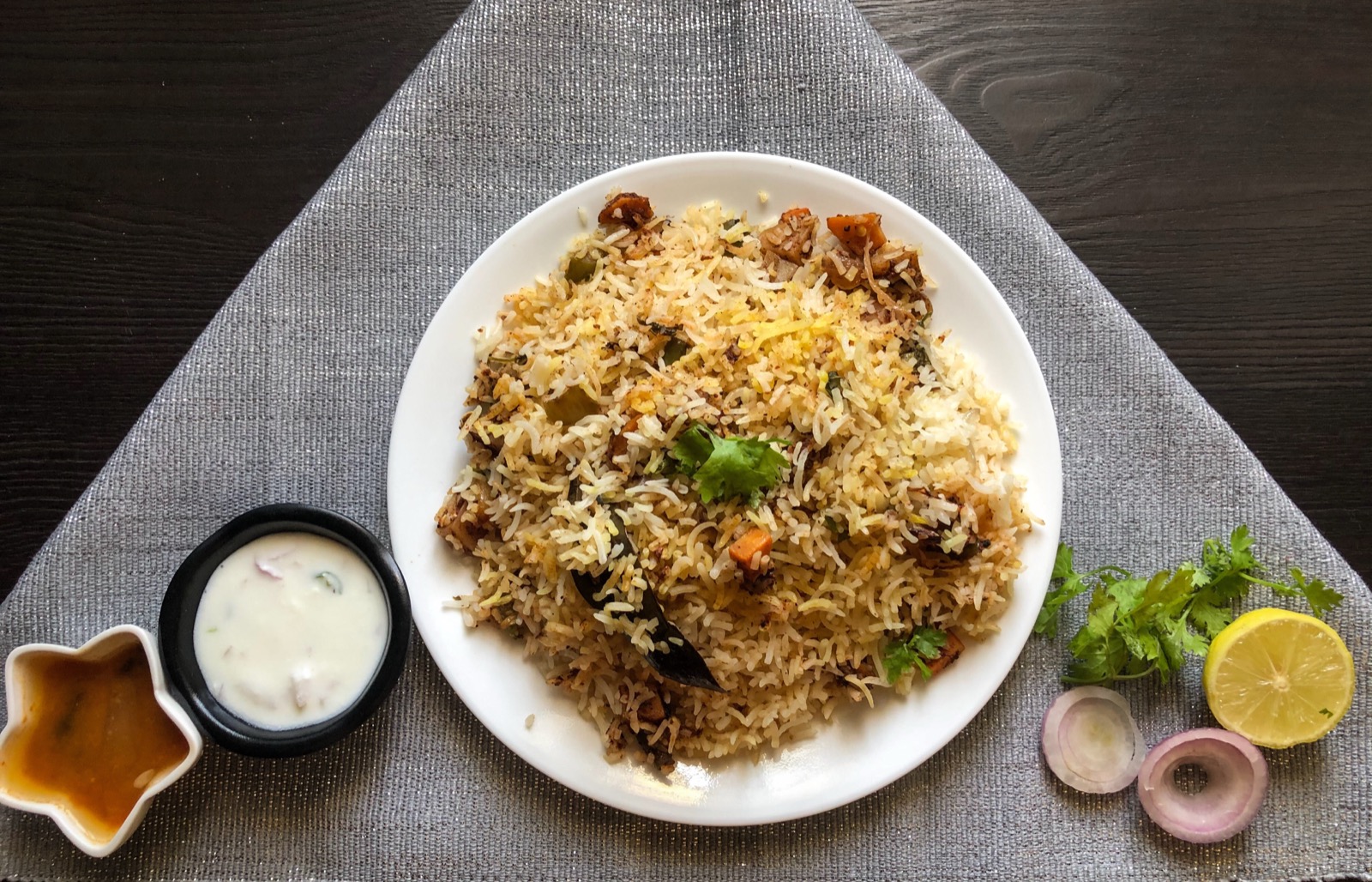
Hyderabadi biryani is cooked kacchi, meaning raw. Marinated raw mutton goes into the pot first, partly cooked rice is layered over it, the lid is sealed shut with dough, and the pot goes on low heat so the rice finishes in the steam and juices the meat gives up. Meat and rice are never cooked separately and combined at the end.
That is the harder way to do it, and it is what separates the dish from Awadhi biryani, which is usually cooked pukki: rice and meat prepared apart, then layered and finished together briefly. Kacchi sends one seasoning through everything in the pot. Pukki keeps the flavours cleaner and more separate.
The sealed-pot method came in with Persianate court cooking, and it was established in the Deccan under the Qutb Shahis, a good while before the first Nizam took power.
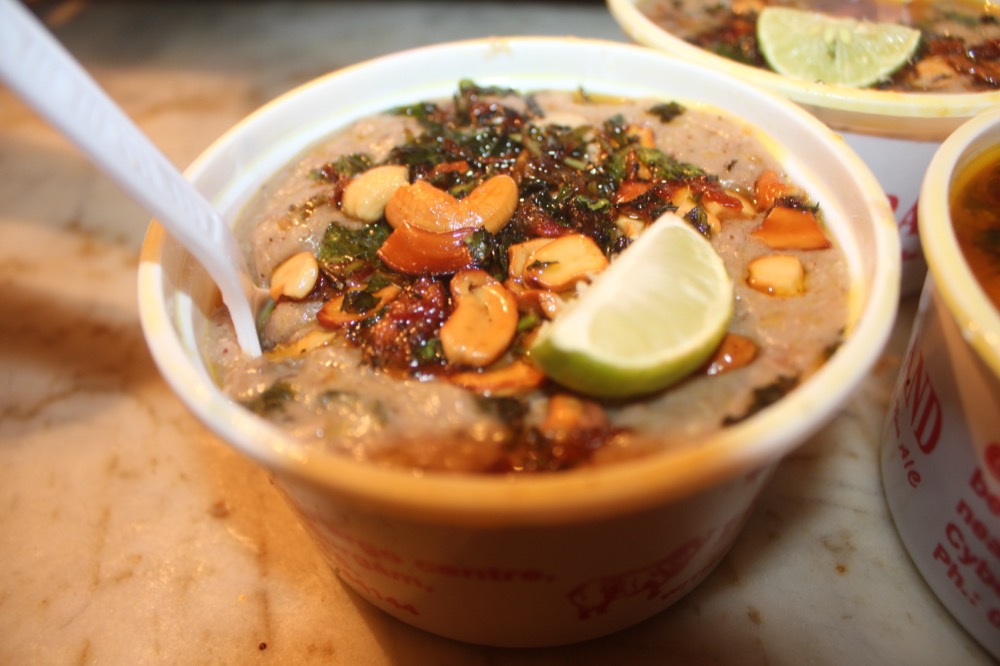
Haleem is routinely credited to the Nizams' kitchens. It entered the city rather further down the social order. The Nizams recruited Hadhrami Arab soldiers from Yemen, known locally as Chaush, and quartered them on the edge of Hyderabad in a cantonment still called Barkas, the local rendering of the English word "barracks". What those families brought with them was harees, a plain pounded porridge of wheat and meat.
Hyderabad rebuilt the dish. Lentils went in, then fried onion, ghee and garam masala, and the mild porridge thickened into the dense, heavily spiced haleem the city now eats at iftar every evening through Ramadan. It became a citywide fixture only in the 20th century.
In 2010 it became the first non-vegetarian dish in India to be given a Geographical Indication tag, which arrived with a specification attached: a meat-to-wheat ratio of ten to four, good-quality goat meat and pure ghee, no artificial flavouring or trans fat, and cooking over firewood.
 Bagara Baingan
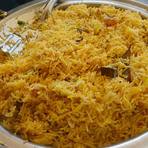 Bagara Khana
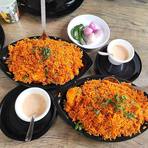 Chicken Biryani
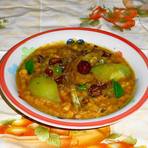 Dalcha
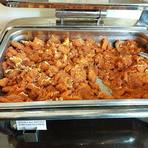 Double ka Meetha
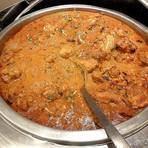 Dum Ka Murgh
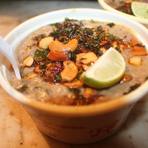 Haleem
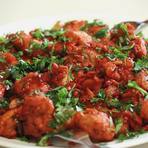 Hyderabadi Chicken 65
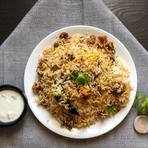 Hyderabadi Dum Biryani
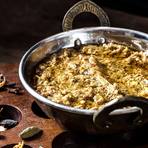 Hyderabadi Kheema
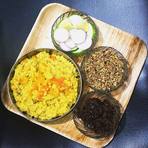 Hyderabadi Khichdi
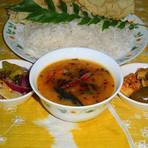 Khatti Dal
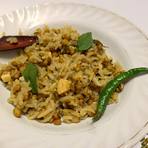 Khichdi Ka Khatta
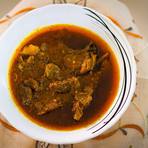 Lukhmi
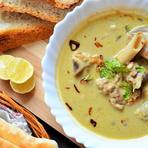 Marag
Marag
 Methi Murgh
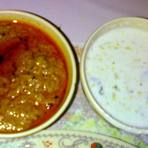 Mirchi ka Salan
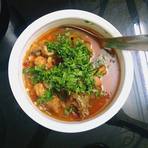 Murgh do Pyaza
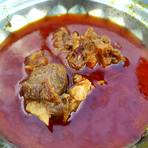 Mutton Do Pyaza
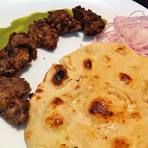 Patthar Ka Gosht
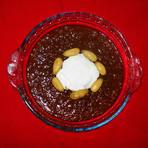 Qubani ka Meetha
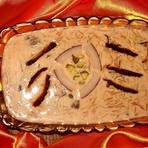 Sheer Khurma
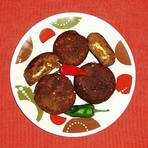 Shikampuri Kebab
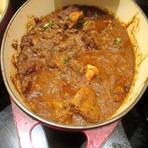 Tala Hua Gosht
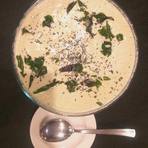 Til Ki Chutney
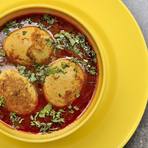 Tomato Kut
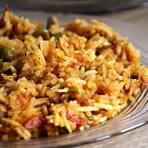 Vegetable Biryani
Not cooking tonight?
Tell us what is in your kitchen, and Khaana will help you cook an authentic Indian meal.