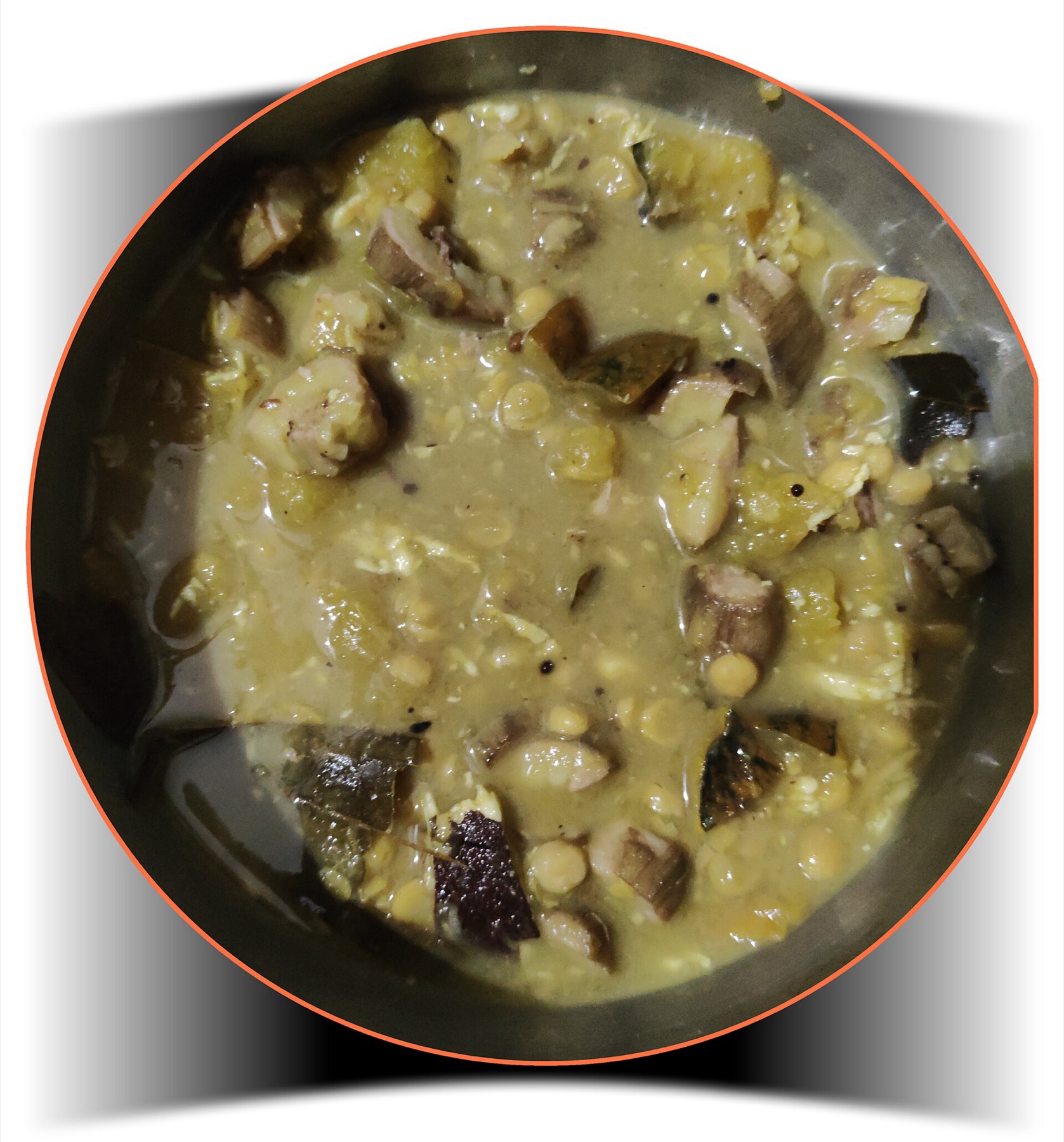
East India
Odia Cuisine
A rice, mustard, and temple cuisine on the Bay of Bengal, cooked with a light hand and a long memory.
A rice, mustard, and temple cuisine on the Bay of Bengal, cooked with a light hand and a long memory.
Odisha sits on the Bay of Bengal, between Bengal to the northeast and the Telugu south. Its food shares plenty with Bengali cooking: rice as the staple, mustard, freshwater fish, and a serious sweet tradition. But it pulls back on all of them. Odia cooking is usually lighter, less oily, and more gently spiced than the food on either side of it. The everyday tempering is pancha phutana, a five-spice mix of mustard, cumin, fennel, fenugreek, and nigella seeds.
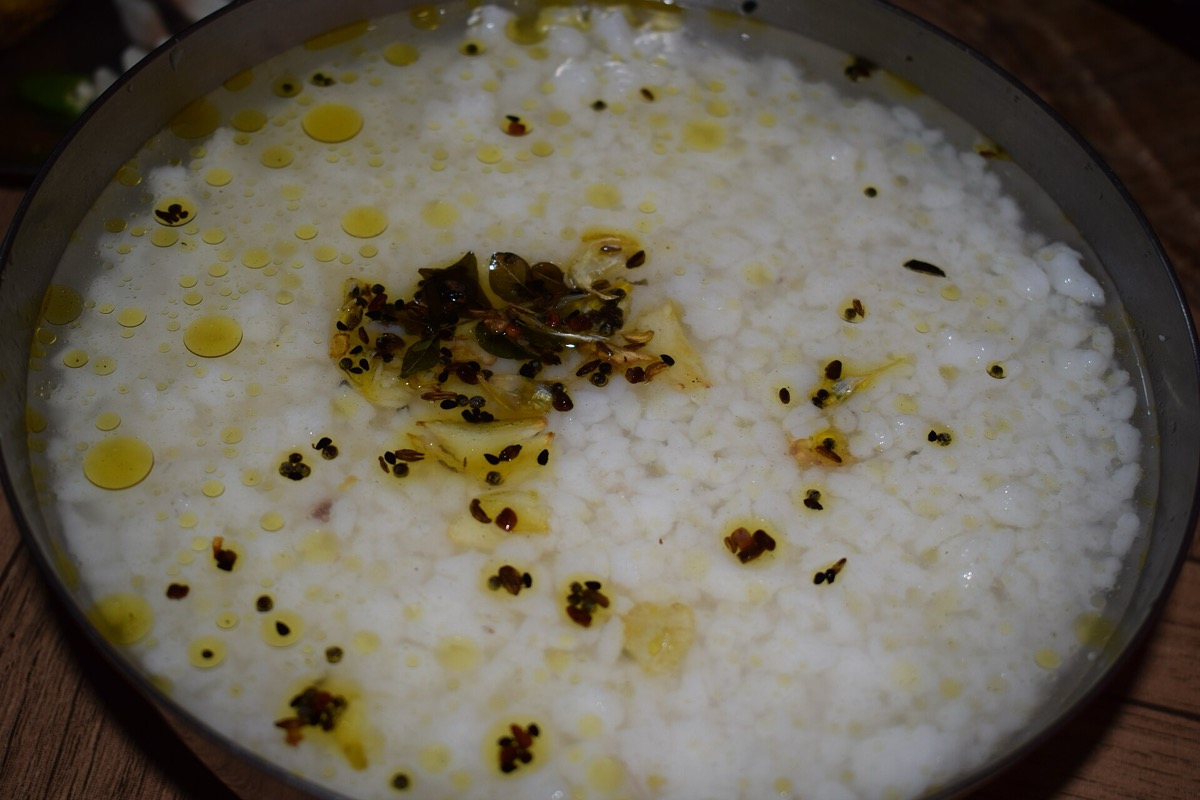
The dish that sums up the cuisine is pakhala. In the heat of an Odia summer, a common lunch is rice left to ferment overnight in water, served cool with salt, a little yogurt, and fried or mashed vegetables on the side. It cools the body and uses up the previous day's rice. Odisha even marks a Pakhala Dibasa (Pakhala Day) every 20 March.
The biggest influence on Odia food is the temple. At the Jagannath Temple in Puri, the kitchen (the Rosaghara) is one of the largest in the world and cooks for thousands of pilgrims a day. Food is made in earthen pots stacked several high over wood fires, and by tradition the pot on top cooks first.
What is offered to the deity is the Mahaprasada, dozens of dishes known together as the chhappan bhoga, or "fifty-six offerings." It is all vegetarian and cooked without onion, garlic, tomato, or chili. Once offered, it is sold and eaten side by side by pilgrims of every background at the Ananda Bazaar next to the temple. That plain, satvik, rice-and-dal cooking shaped a lot of Odia home food too.
Odisha and Bengal have argued for years over who created the rasgulla (rasagola). Odisha's version, the Pahala rasagola, is tied to the Jagannath Temple, where a chhena sweet has long been offered to the deities. Bengal traces its rosogolla to the Kolkata confectioner Nobin Chandra Das in the 1860s.
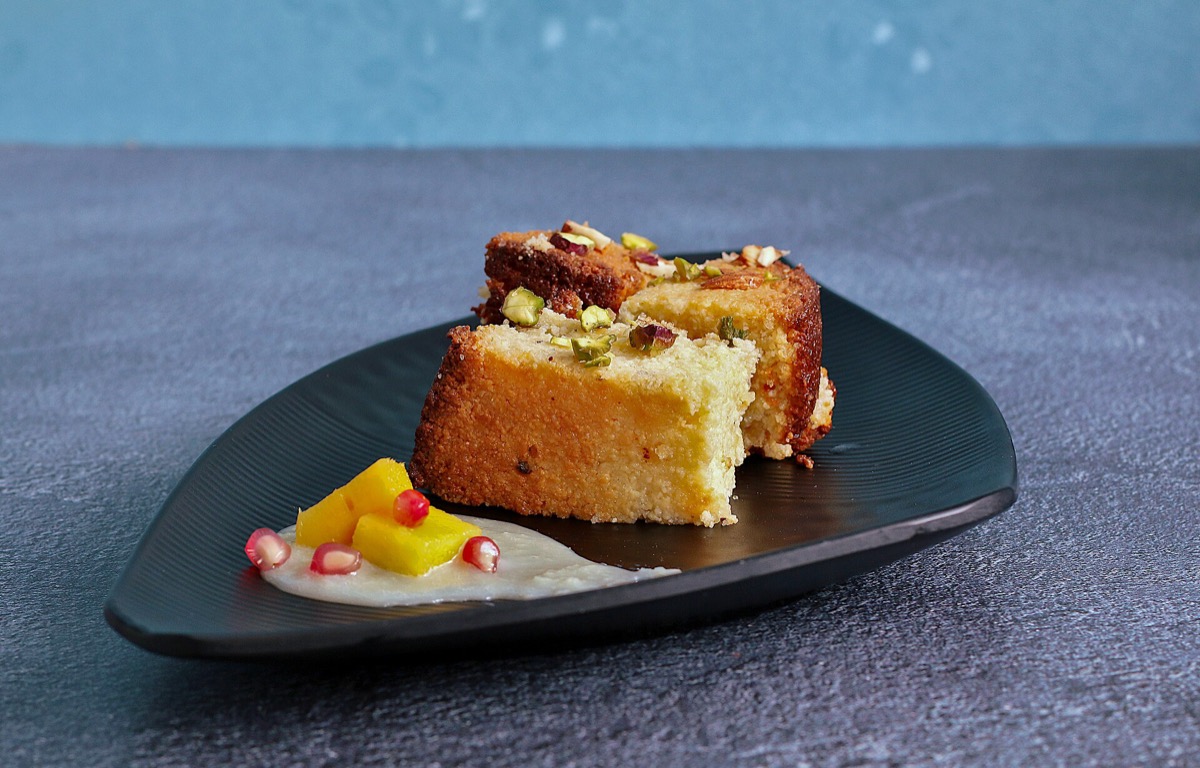
The dispute reached India's geographical indication (GI) system. Odisha won a GI tag for "Odisha Rasagola" in 2019, two years after West Bengal secured one for "Banglar Rosogolla."1 The tags recognize two regional versions and leave the question of who was first open. Odisha's other signature sweet is chhena poda, or "burnt cheese," a baked block of fresh chhena and sugar with a caramelized crust, usually traced to the town of Nayagarh.
Along the coast, sea fish and prawns do the work that river fish does inland. Dishes like chungudi malai, prawns in a mild coconut-milk gravy, point to Odisha's long shoreline and its old sea trade with Southeast Asia. The state still marks that seafaring past every year at Bali Jatra, a festival in Cuttack that remembers ancient voyages to Bali and beyond.
 Aloo Potala Rasa
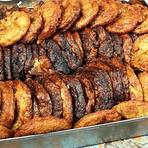 Arisa Pitha
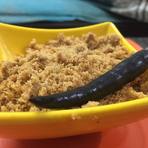 Badi Chura
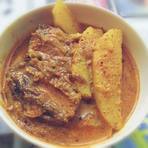 Besara
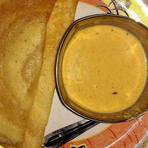 Chakuli Pitha
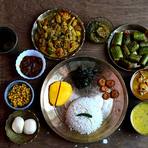 Chhatu Rai
 Chhena Poda
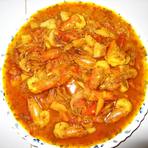 Chingudi Tarkari
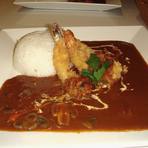 Chungdi Malai
 Dahi Baigana
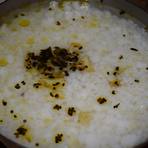 Dahi Pakhala
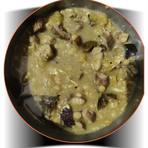 Dalma
Dalma
 Ghanta Tarkari
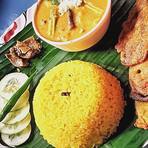 Kanika
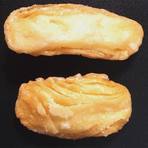 Khaja
Khaja
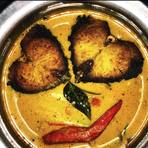 Macha Besara
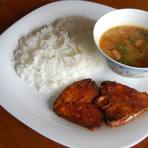 Machha Ghanta
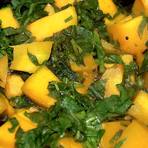 Mahura
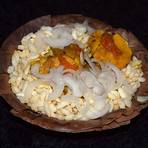 Mudhi Mansa
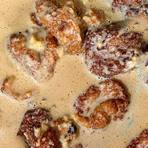 Rasabali
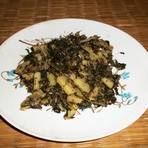 Saga Bhaja
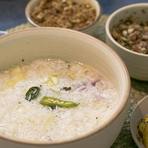 Saja Pakhala
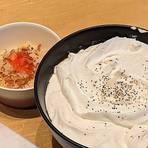 Sajana Chhuin Rai
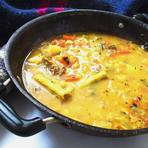 Santula
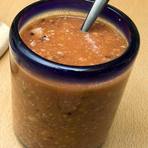 Tomato Khajuri Khatta
Not cooking tonight?
Tell us what is in your kitchen, and Khaana will help you cook an authentic Indian meal.