Eight states
Northeast Indian Cuisine
Eight cuisines under one label, drawing on the fermentation and bamboo traditions of Tibet and Southeast Asia across the border.
Eight cuisines under one label, drawing on the fermentation and bamboo traditions of Tibet and Southeast Asia across the border.
"Northeast Indian" is a geographic label doing duty as a culinary one. It covers Assam, Arunachal Pradesh, Manipur, Meghalaya, Mizoram, Nagaland, Tripura, and Sikkim. That's eight states, dozens of distinct tribal and ethnic groups, and about as many genuinely different food traditions. They don't share a spice blend the way Punjabi or Hyderabadi cooking does. What they share is an approach. Flavor comes from fermentation and smoking, and the staples are rice and local greens. Stacked masalas, wheat and dairy all stay at the edges.
Geography is a large part of why. The region connects to the rest of India only through the narrow Siliguri Corridor, sometimes called the "Chicken's Neck," while sharing long borders with Tibet, Myanmar, Bhutan, and Bangladesh. Historically, trade and cultural exchange across those borders shaped the region's kitchens at least as much as anything arriving from Delhi.
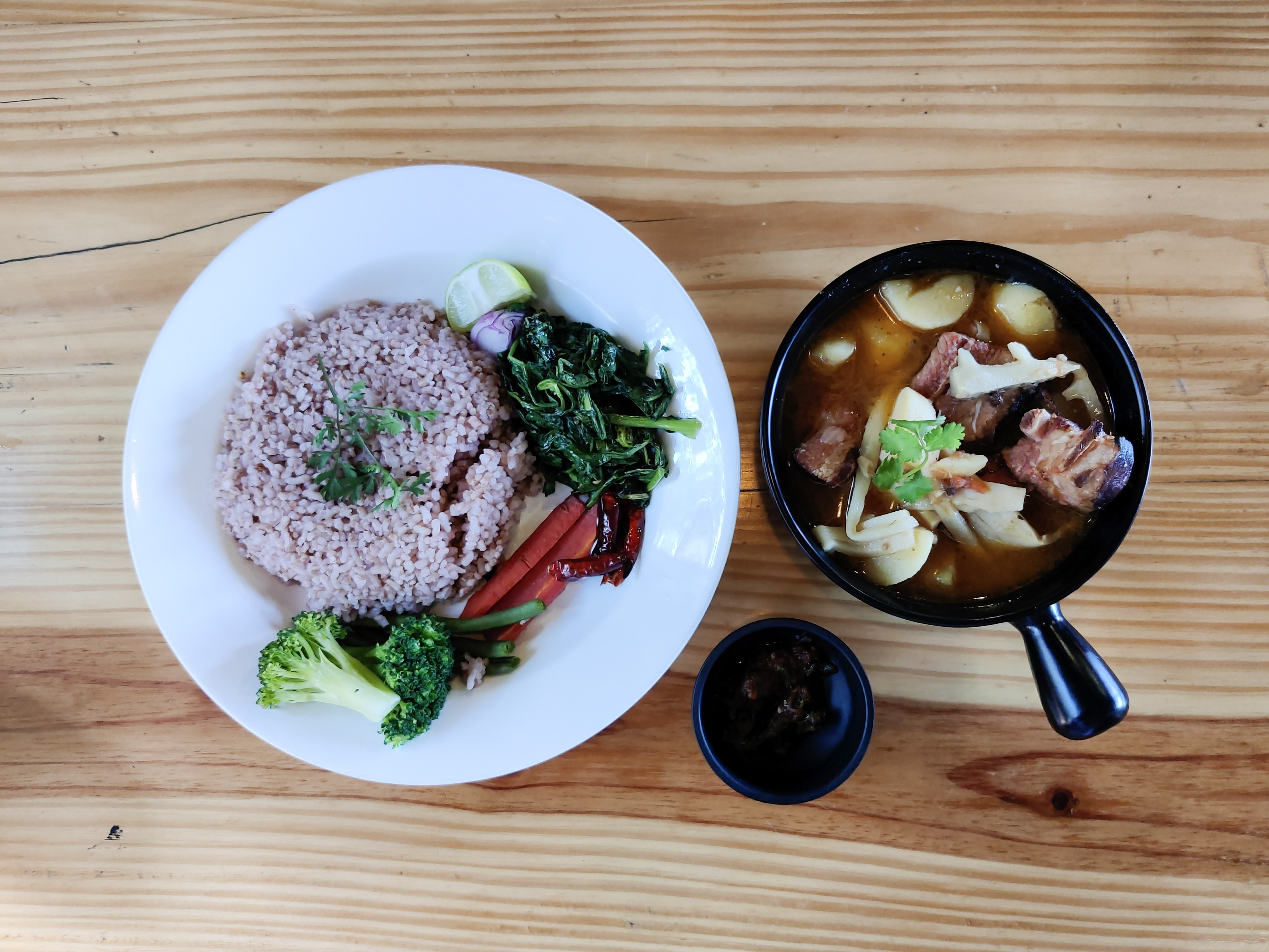
Where a Punjabi or Hyderabadi kitchen reaches for a garam masala blend, much of the Northeast reaches for something fermented instead. Bamboo shoot, fresh, dried, or fermented into a sour paste known as soibum in Manipur or khorisa in Assam, shows up across the region as a souring, funky base note. Naga cooking in particular relies on akhuni (also spelled axone), fermented soybean with a pungency often compared to Japanese natto, worked into pork and chicken dishes as the flavor the whole plate is built around.
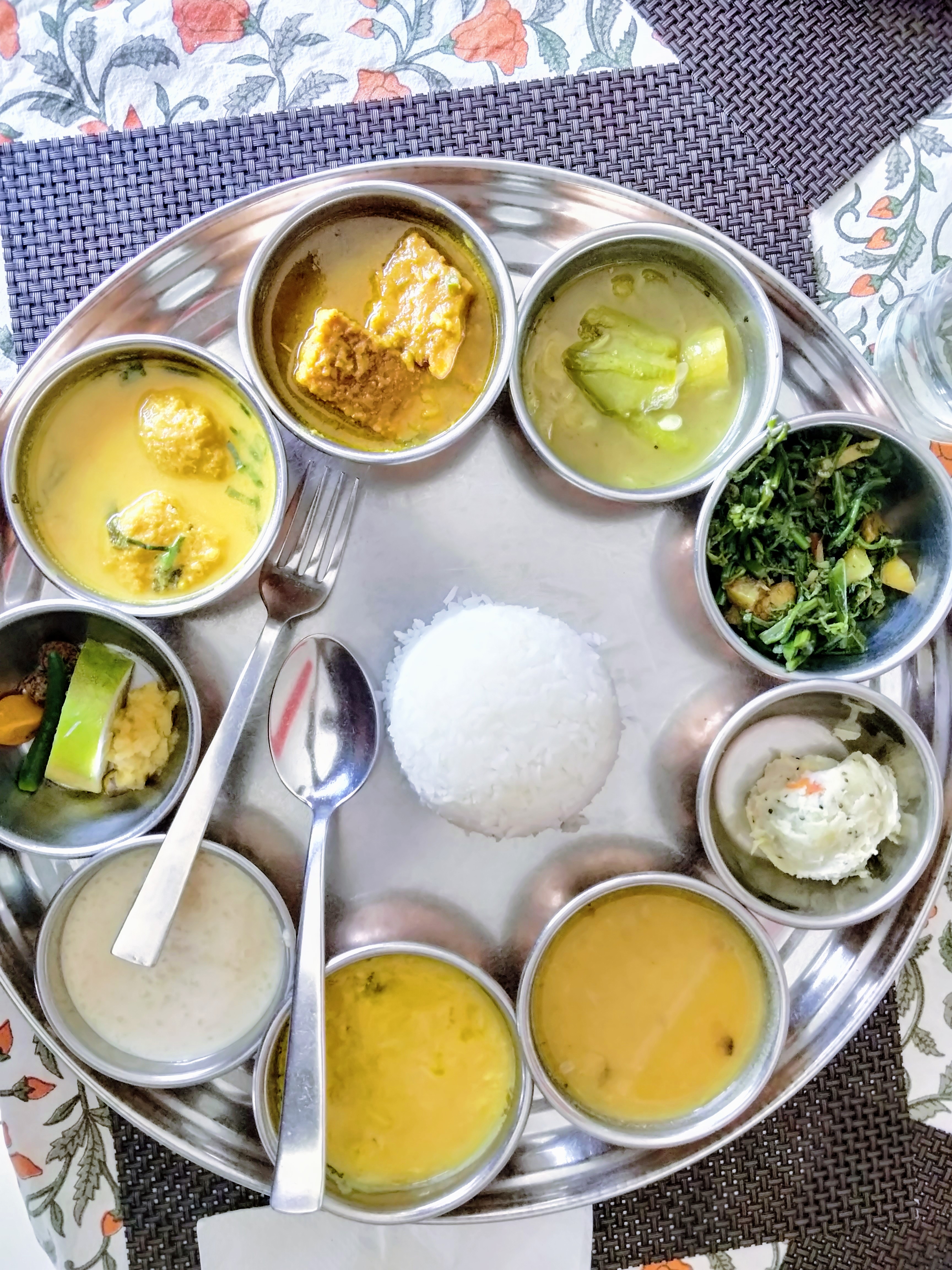
The region's meat cooking, especially pork, leans heavily on open-fire smoking. Cream, ghee, and yogurt see comparatively little use as a curry base, so the dairy-rich gravies common further west and north have no real counterpart here. Assamese cooking adds its own signatures on top of this. Masor tenga is a light fish curry, and its sourness comes from tomato or lemon. Khar is built on an alkaline water filtered through banana-peel ash, an alkaline technique found almost nowhere else in Indian cooking.
 Aloo Pitika
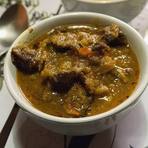 Axone Pork
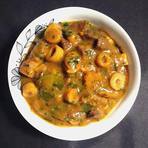 Chakhwi
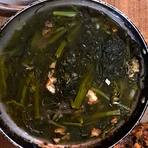 Chamthong
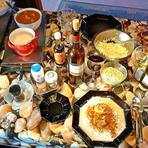 Doh Khleh
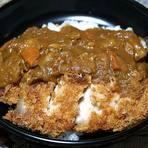 Doh Neiiong
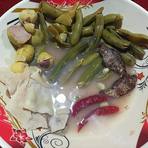 Eromba
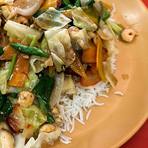 Galho
Galho
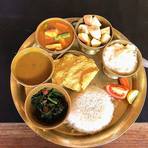 Gundruk ko Jhol
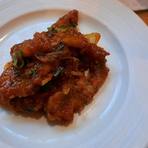 Hanhor Mangkho
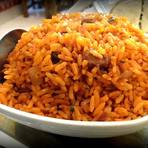 Jadoh
Jadoh
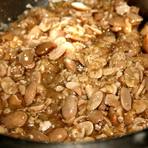 Kinema
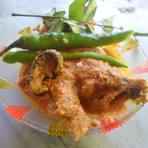 Masor Jhol
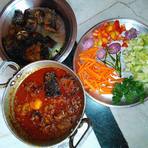 Masor Tenga
 Momos
Momos
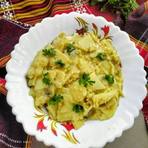 Muya Awandru
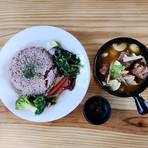 Naga Smoked Pork with Bamboo Shoot
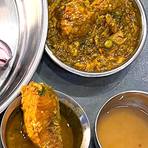 Nga Thongba
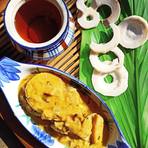 Omita Khar
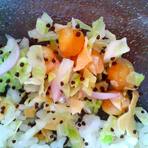 Ooti
Ooti
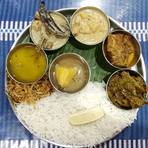 Pika Pila
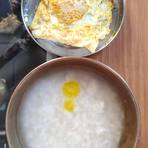 Poita Bhat
 Sanpiau
 Sel Roti
 Singju
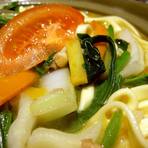 Thukpa
Not cooking tonight?
Tell us what is in your kitchen, and Khaana will help you cook an authentic Indian meal.