Coastal India
Goan Cuisine
450 years of Portuguese rule, folded into a Konkani coastal tradition and preserved in the name of a single dish.
450 years of Portuguese rule, folded into a Konkani coastal tradition and preserved in the name of a single dish.
Goa was a Portuguese colony from 1510 until 1961, roughly 450 years1. That makes it by far the longest continuous European colonial presence anywhere in India (British rule, by comparison, lasted under 200 years). The length mattered. That span gave Portuguese ingredients and techniques time to work their way into the everyday grammar of local cooking. What came out is a cuisine with two authentic parents in equal standing, Konkani coastal and Portuguese-Iberian.
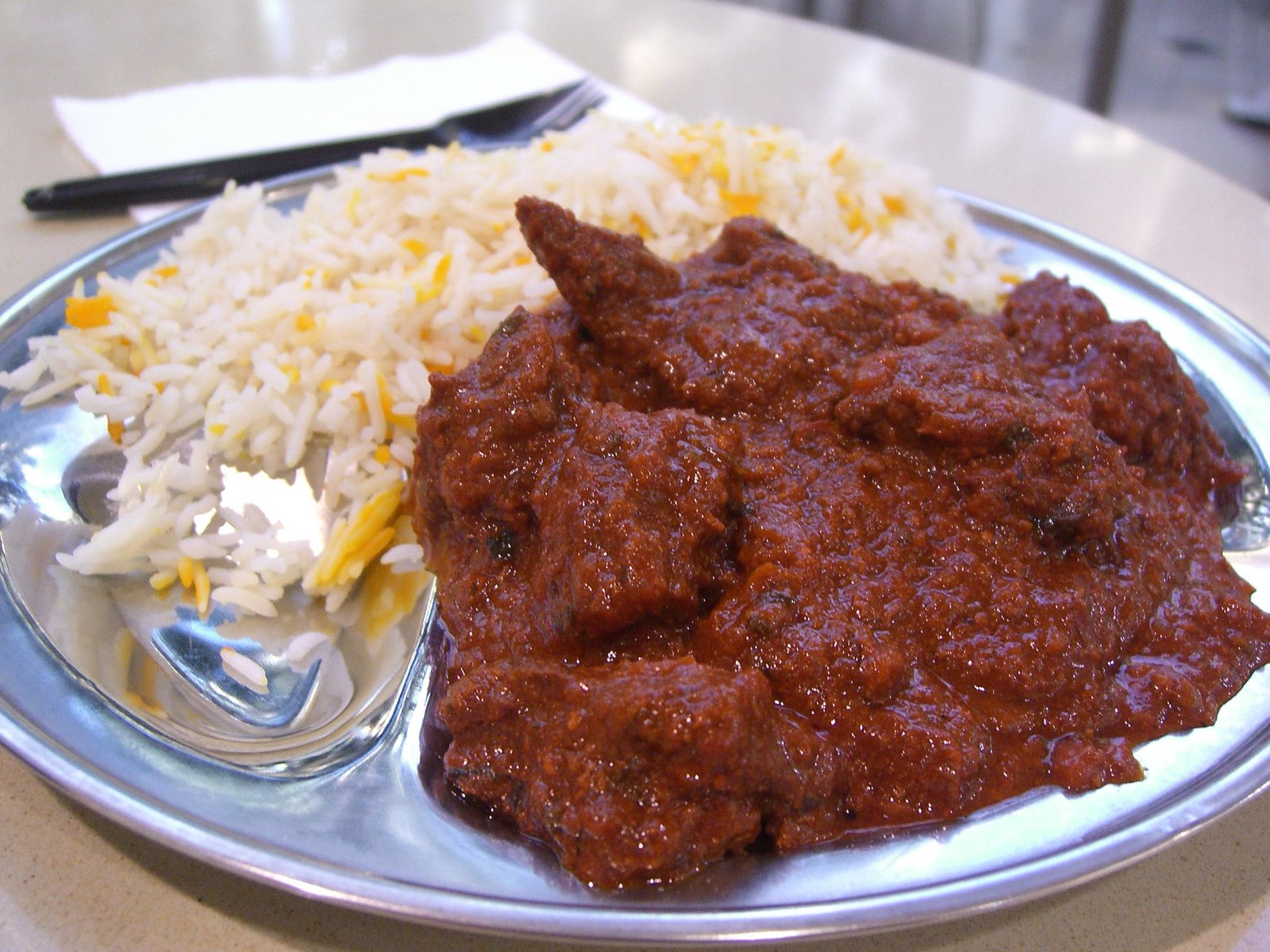
The clearest evidence sits in the name of Goa's best-known dish. Vindaloo derives from the Portuguese carne de vinha d'alhos, meat marinated in wine (vinho) and garlic (alhos)2. That was a preservation technique Portuguese sailors used for meat on long sea voyages. In Goa, wine vinegar was often substituted or supplemented with local palm vinegar, garlic remained central, and chili (a Portuguese-introduced New World import) was added. A shipboard preservation method had become one of India's most recognizable curries. The dish's name is a 500-year-old linguistic fossil.
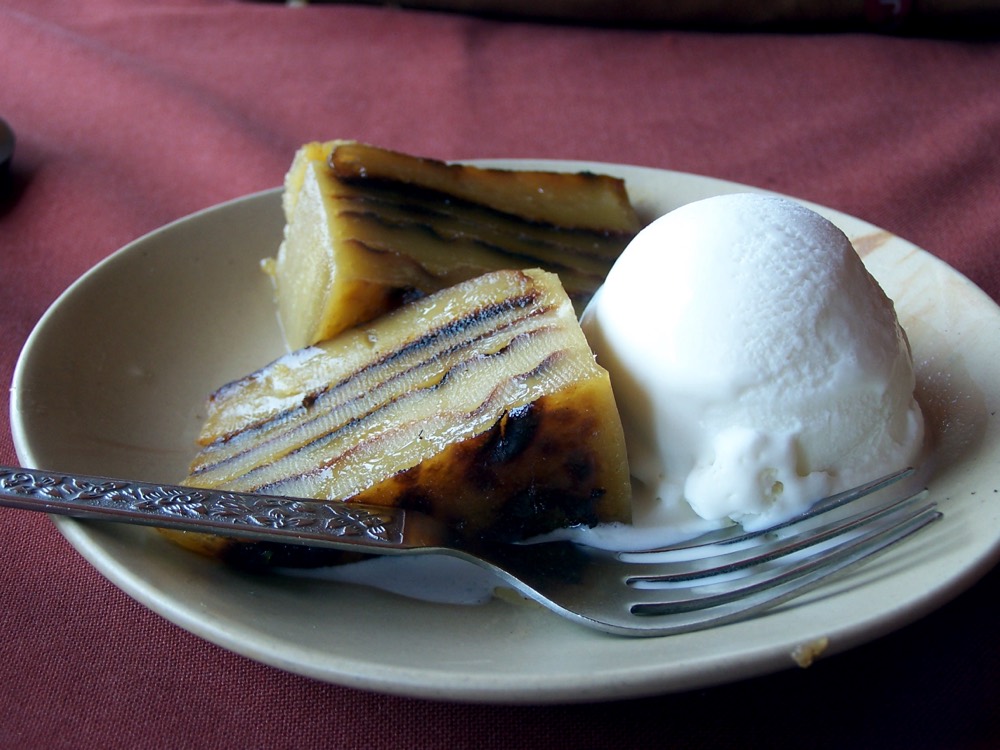
Two distinct traditions sit inside Goa's food culture, split along religious lines. Goan Catholic cuisine, from the community most directly shaped by Portuguese conversion and rule, centers on pork, beef, and vinegar-based dishes like vindaloo and sorpotel, alongside Portuguese-derived desserts like bebinca, a rich layered coconut-and-egg cake. Goan Hindu cuisine, particularly that of the Saraswat Brahmins, stayed closer to the broader Konkani coastal tradition, built on fish, coconut, and kokum, with far less Portuguese influence and no pork or beef. A Catholic kitchen and a Saraswat kitchen a village apart will not share a single main course.
Goa's port role also made it one of the entry points through which New World crops first reached the Indian subcontinent, among them chilies, potatoes, tomatoes, and cashews, carried in on Portuguese trade routes after 1510. From there they spread into the rest of Indian cooking over the following centuries. The cashew took root so successfully in Goa's soil that it is now used to distill feni, the region's signature spirit.
 Alsande Tonak
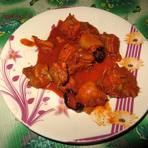 Ambot Tik
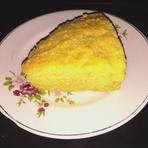 Baath Cake
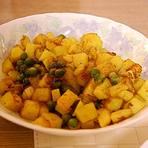 Batata Song
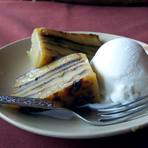 Bebinca
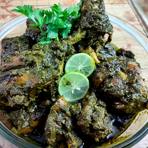 Chicken Cafreal
 Chicken Xacuti
 Fish Caldine
 Goan Dodol
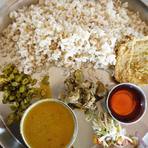 Goan Fish Curry
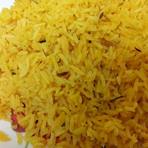 Goan Sausage Pulao
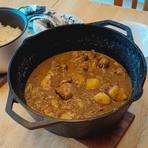 Goan Xacuti
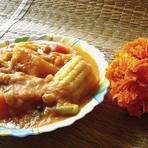 Khatkhate
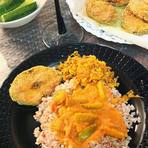 Kismur
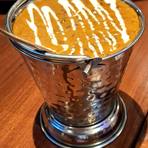 Mackerel Uddamethi
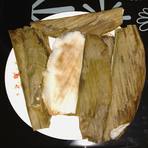 Patoleo
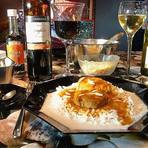 Pork Indad
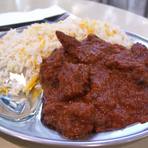 Pork Vindaloo
 Prawn Balchao
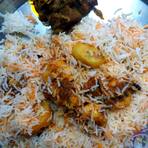 Prawn Rissois
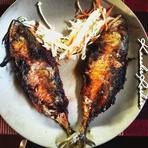 Recheado Mackerel
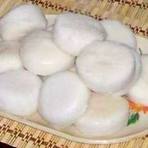 Sanna
Sanna
 Solkadhi
 Sorpotel
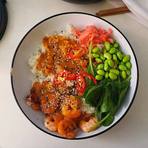 Sungtachi Kodi
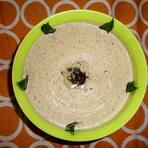 Tondak
Not cooking tonight?
Tell us what is in your kitchen, and Khaana will help you cook an authentic Indian meal.