Nawabi north
Awadhi / Lucknowi Cuisine
The refined court cooking of the Nawabs of Oudh. Sealed-pot slow cooking, gentle spicing, and kebabs made to dissolve on the tongue.
The refined court cooking of the Nawabs of Oudh. Sealed-pot slow cooking, gentle spicing, and kebabs made to dissolve on the tongue.
Awadhi cuisine takes its name from Awadh (Oudh), the region around Lucknow ruled by the Nawabs of Oudh from the early 18th century until the British annexed it in 18561. The Nawabs began as Mughal provincial governors. As central Mughal authority weakened, they became independent rulers in practice while keeping Mughal court culture, including its cooking, as their model. What developed in Lucknow's royal kitchens over the following century was a cuisine of refinement. Technique and aroma did the work that heat and heavy spicing do elsewhere, and the cooking was aimed at an audience of one, the Nawab, whose table it was built to please.
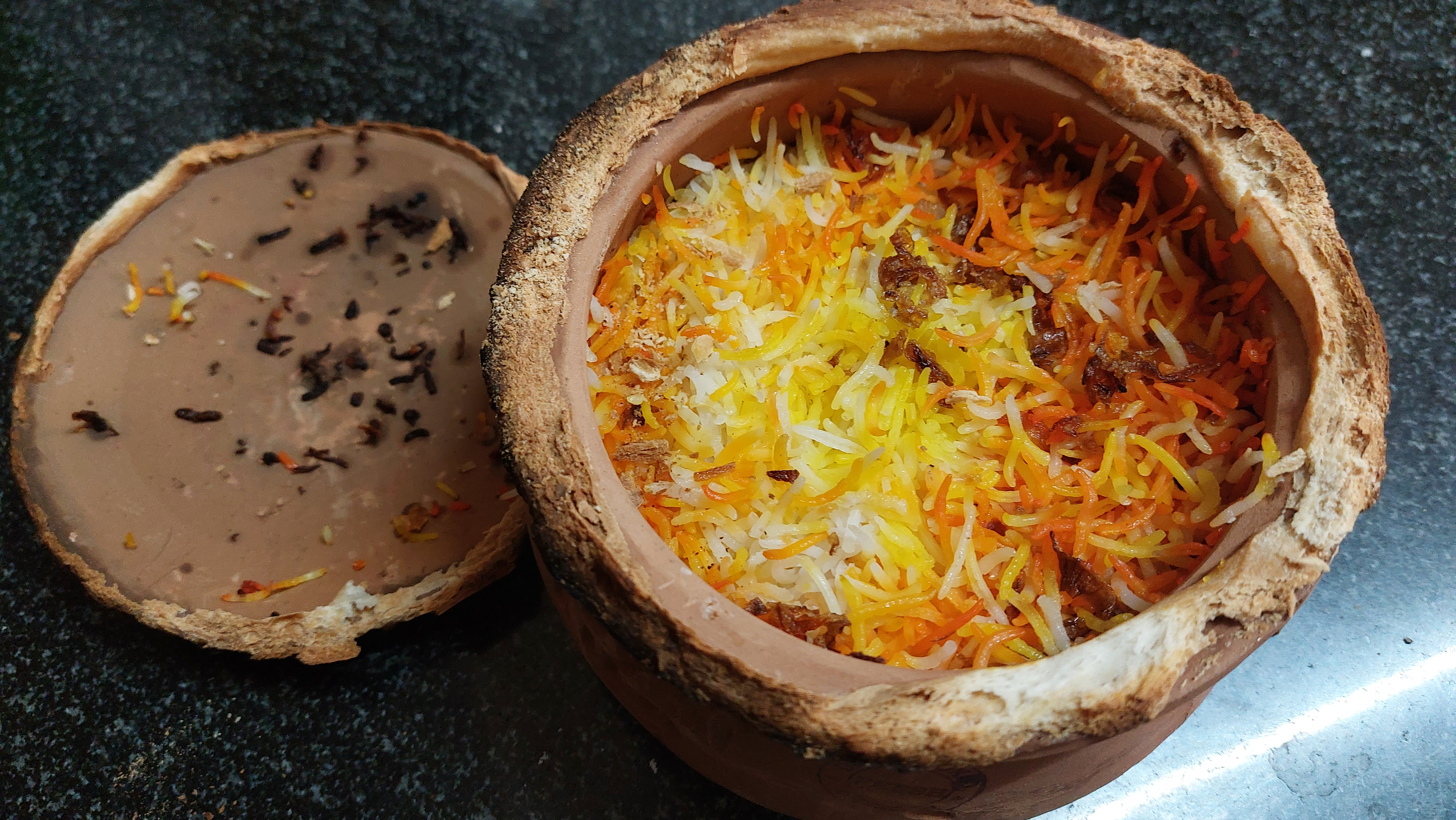
Dum pukht, literally "breath-cooking," is the defining Awadhi technique. Meat and rice are sealed into a heavy pot, often with a rim of dough, and cooked slowly over a low, steady fire, so the dish finishes in its own trapped steam and aroma. Lucknow legend ties its popularization to the famine of 1780, when Nawab Asaf-ud-Daula commissioned the Bara Imambara as a relief-work project2. Food for the laborers was reportedly cooked overnight in huge sealed deghs (cauldrons) so it would be ready whenever a shift ended. Whether or not that story is literally true, it captures what the technique was built for. This is cooking that holds its quality over long, unpredictable stretches of time.
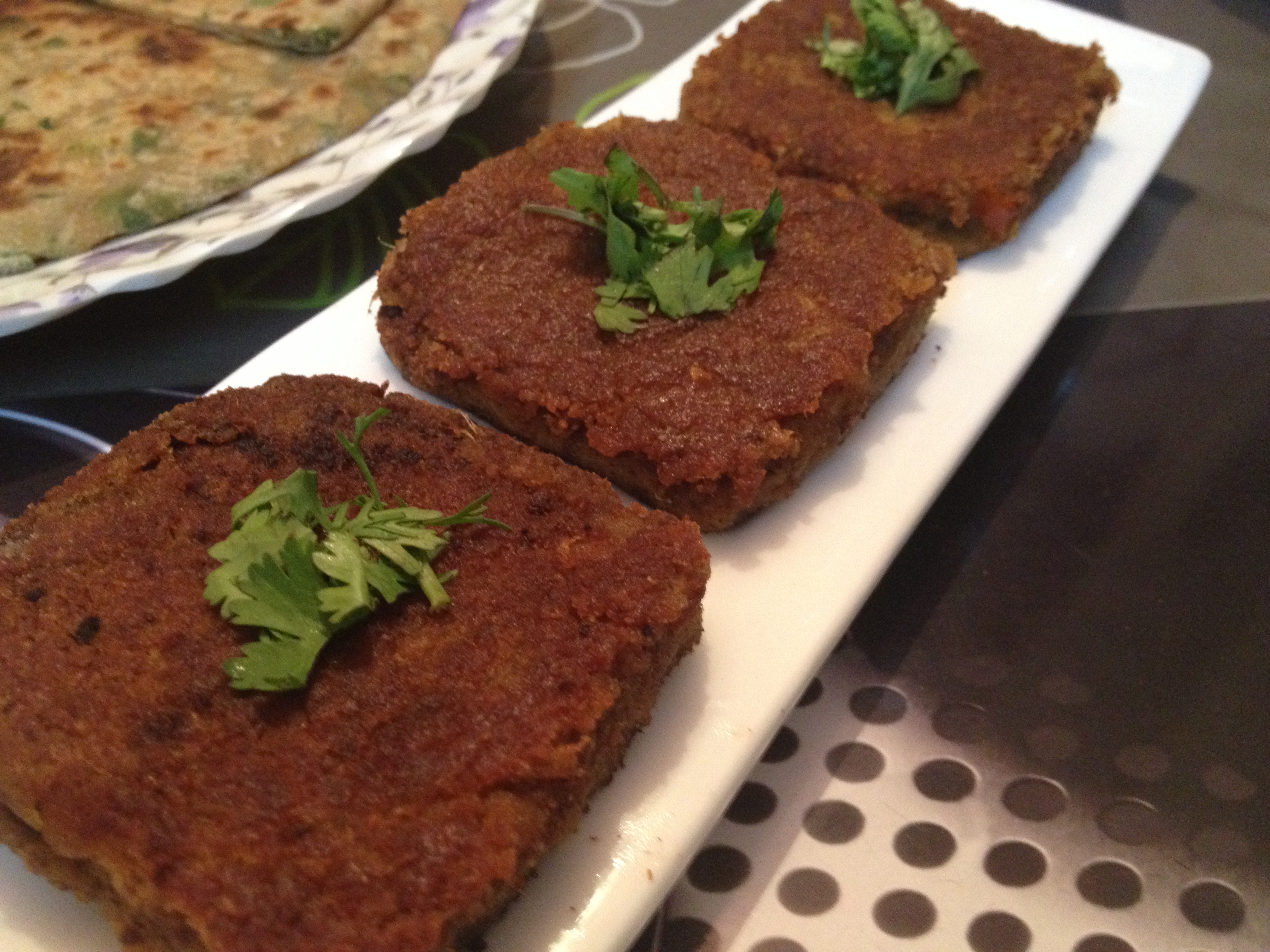
Lucknow's best-known dish has a similarly specific legend behind it. The galouti kebab ("melt-in-the-mouth" kebab) is said to have been created for an aging Nawab, often identified as Asaf-ud-Daula or Wajid Ali Shah, who loved kebabs but had lost his teeth. The cooks pounded the meat exceptionally fine and worked in a complex spice blend, popularly (if probably apocryphally) said to run to over a hundred spices. The result was a kebab soft enough to need no chewing at all. Lucknow's Tunday Kebabi, named for its founder's tunda (disabled arm), still trades on a version of that closely guarded recipe today.
Awadhi biryani is usually cooked pukki style. The rice and meat are parboiled and cooked separately, then layered and finished together under dum. That gives a drier, more distinctly layered result than Hyderabad's kacchi biryani, where raw marinated meat is layered under rice that has been par-boiled to about 70 percent, then sealed and cooked on dum. Kacchi describes the meat going in raw, not the rice. The two techniques, developed in two different Nawabi courts, remain the clearest fault line in Indian biryani-making. Awadhi cooking also travelled well beyond Lucknow. When the British exiled the last Nawab, Wajid Ali Shah, to Calcutta in 1856, he brought his court cooks with him. Bengal's own Kolkata-style biryani, distinguished by the addition of potato, is usually traced to that exiled Awadhi kitchen adapting to leaner circumstances.
 Aloo ki Tehri
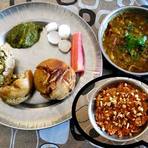 Arhar ki Dal
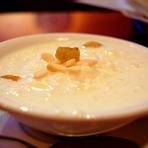 Awadhi Kheer
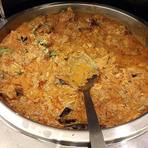 Awadhi Murgh Masala
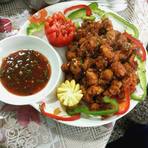 Awadhi Paneer Korma
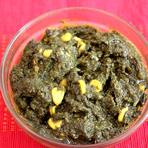 Bhindi do Pyaza
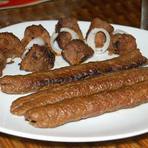 Boti Kebab
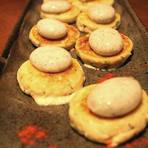 Dahi ke Kebab
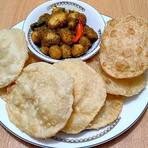 Dum Aloo Lucknowi
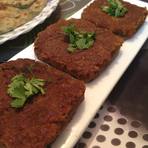 Galouti Kebab
 Gulab Jamun
 Imarti
 Kakori Kebab
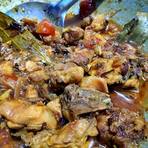 Kali Mirch ka Murgh
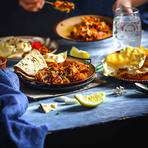 Kathal ki Sabzi
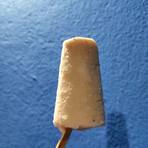 Kulfi
Kulfi
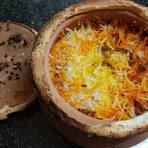 Lucknowi Dum Biryani
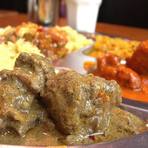 Murgh Korma
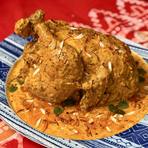 Murgh Musallam
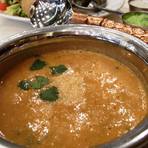 Murgh Shorba
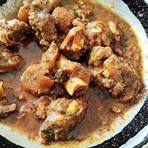 Mutton Kaliya
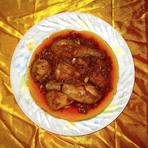 Mutton Korma
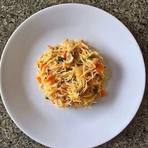 Muzaffar
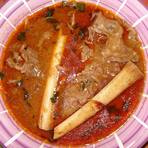 Nalli Nihari
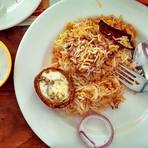 Nargisi Kofta
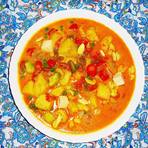 Navratan Korma
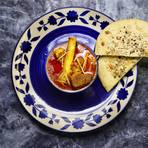 Nihari
 Paneer Do Pyaza
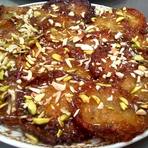 Rabri
Rabri
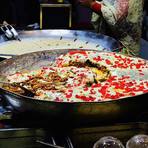 Shahi Tukda
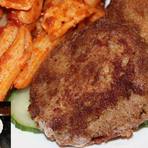 Shami Kebab
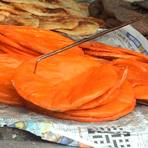 Sheermal
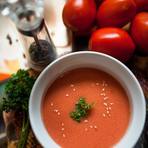 Tomato Dhaniya Shorba
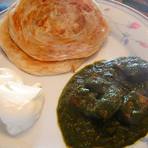 Ulte Tawe Ka Paratha
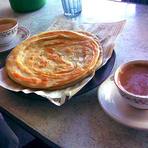 Warqi Paratha
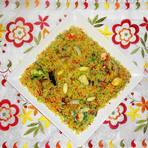 Zarda
Zarda
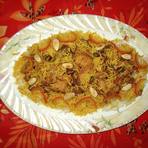 Zarda Pulao
Not cooking tonight?
Tell us what is in your kitchen, and Khaana will help you cook an authentic Indian meal.