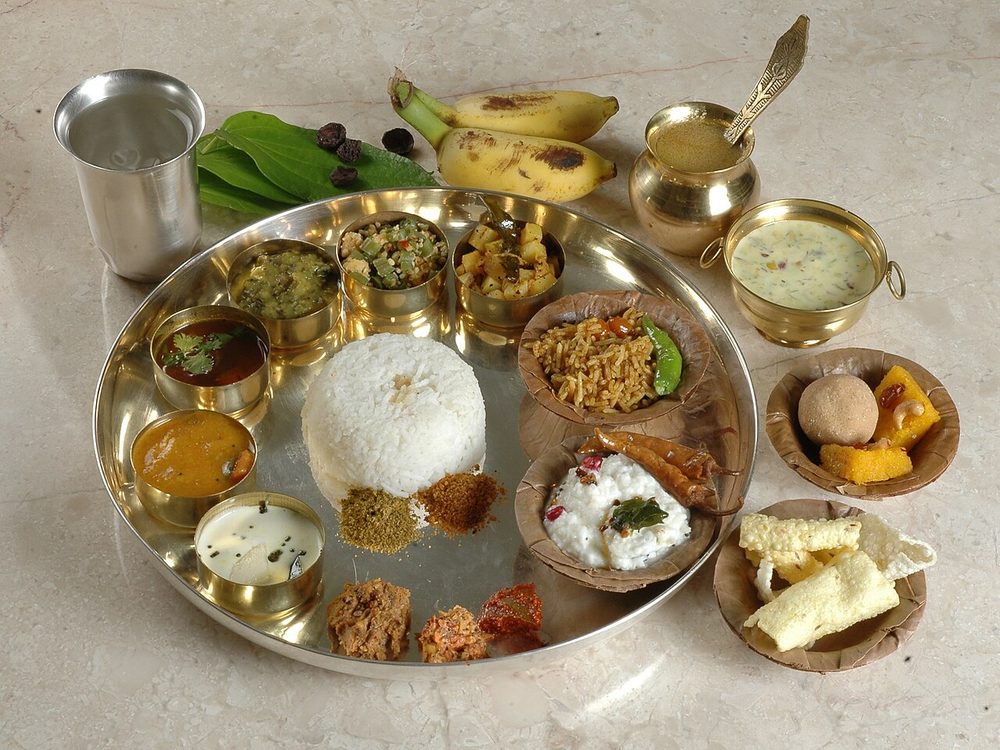
Start the day before. The soaking alone is 8 hr, against 90 min of actual work.
Allergens in Ulavacharu: sesame, mustard.
Ingredients
Quantities for 6.
- 250g Horse Gram
- 40g, seedless Tamarind
- 1 medium, finely chopped Onion
- 8 cloves, crushed Garlic
- 4, slit Green Chilli
- 1.5 tsp Chilli Powder
- 1/2 tsp Turmeric
- 1 tsp Coriander Powderoptional
- 1 tbsp, grated Jaggerybalances the sourness; ulavacharu should not taste sweet
- 1 tsp Mustard Seeds
- 1 tsp Cumin Seeds
- 1/4 tsp Fenugreek Seeds
- 4, broken Dried Red Chilli
- 2 sprigs Curry Leaves
- 3 tbsp Sesame Oil
- a handful, chopped Coriander Leavesoptional
- 2 tsp, or to taste Salt
- 2 litres Water
Cookware
stovetop, pressure cooker, blender
Checked against the ingredient list for ten allergens: milk, egg, fish, crustaceans, tree nuts, peanuts, sesame, mustard, soy and gluten. Brands vary, so read the label on anything new to you.
Before you start
- Soak the horse gram in plenty of water overnight, at least 8 hours. It is an unforgivingly hard lentil and takes a very long time unsoaked.
- Soak the tamarind in 200ml hot water for 20 minutes and extract a thick pulp.
- Set aside a full afternoon-ish window: the broth needs a long, slow reduction and cannot be hurried.
Method
- Drain the soaked horse gram, rinse it, and pressure cook with 1.5 litres of fresh water and the turmeric for 8 whistles, then let the pressure fall on its own.If the grains still resist a fingernail, cook another 3 whistles. Undercooked horse gram gives a thin, gritty broth.
- Strain the cooked gram over a bowl, keeping every drop of the dark cooking liquid. That liquid is the dish.Do not throw the drained grains away; they make a fine dry stir-fry with onion and chilli the next day.
- Crush about a quarter of the cooked grains to a paste and stir it back into the liquid to give the broth body.
- Pour the broth into a heavy pan with the remaining 500ml water and bring it to a steady simmer.
- Heat the sesame oil in a small pan, crackle the mustard seeds, then add the cumin, fenugreek, dried red chillies and curry leaves and fry 1 minute until fragrant.Fenugreek here is a quarter teaspoon. Any more and the broth turns bitter as it reduces.
- Add the onion and garlic to the tempering and cook 6 minutes until soft and just golden, then tip the whole lot into the simmering broth.
- Add the tamarind pulp, green chillies, chilli powder, coriander powder, jaggery and salt, and simmer uncovered.
- Let it reduce for 45 to 60 minutes over low heat, stirring occasionally, until it darkens to the colour of strong coffee and coats the back of a spoon.The colour change is the whole point. Stop early and you have brown water instead of ulavacharu.
- Taste and adjust. It should be sour and smoky first, with the heat arriving after.
- Scatter the coriander leaves over and serve hot in bowls alongside plain rice.
Storage
Keeps 4 days refrigerated and freezes well for 2 months. It thickens on cooling, so reheat with a splash of water over low heat. Traditionally a spoon of cream or ghee is stirred in at the table, which is worth doing if you are not keeping it vegan.
Nutrition Good estimate
One serving of Ulavacharu (365 g) is about 260 calories, or 72 calories per 100 g.
Medium protein: 10 g a serving, 15% of the calories
| Per serving365 g | Per 100 g | |
|---|---|---|
| Calories | 260 kcal | 72 kcal |
| Protein | 10.0 g | 3 g |
| Carbohydrate | 37.3 g | 10 g |
| of which sugars | 7.1 g | 2 g |
| Fibre | 7.7 g | 2 g |
| Fat | 8.6 g | 2 g |
| of which saturated | 1.2 g | 0 g |
| of which unsaturated | 6.7 g | 2 g |
Ingredients given to taste count as zero, so the real figures run a little higher. Nearest database match used for curry leaves, horse gram, jaggery. Estimated from raw ingredients using USDA FoodData Central.
More like this: Healthy Indian recipes · Vegan Indian recipes · Vegetarian Indian recipes · Gluten-free Indian recipes · Dairy-free Indian recipes · Indian soup recipes · Andhra recipes
Times, yields, allergens and nutrition are guidance. Use your own judgement on doneness and on storing. More in About.